Citrus Painting
Art x Science
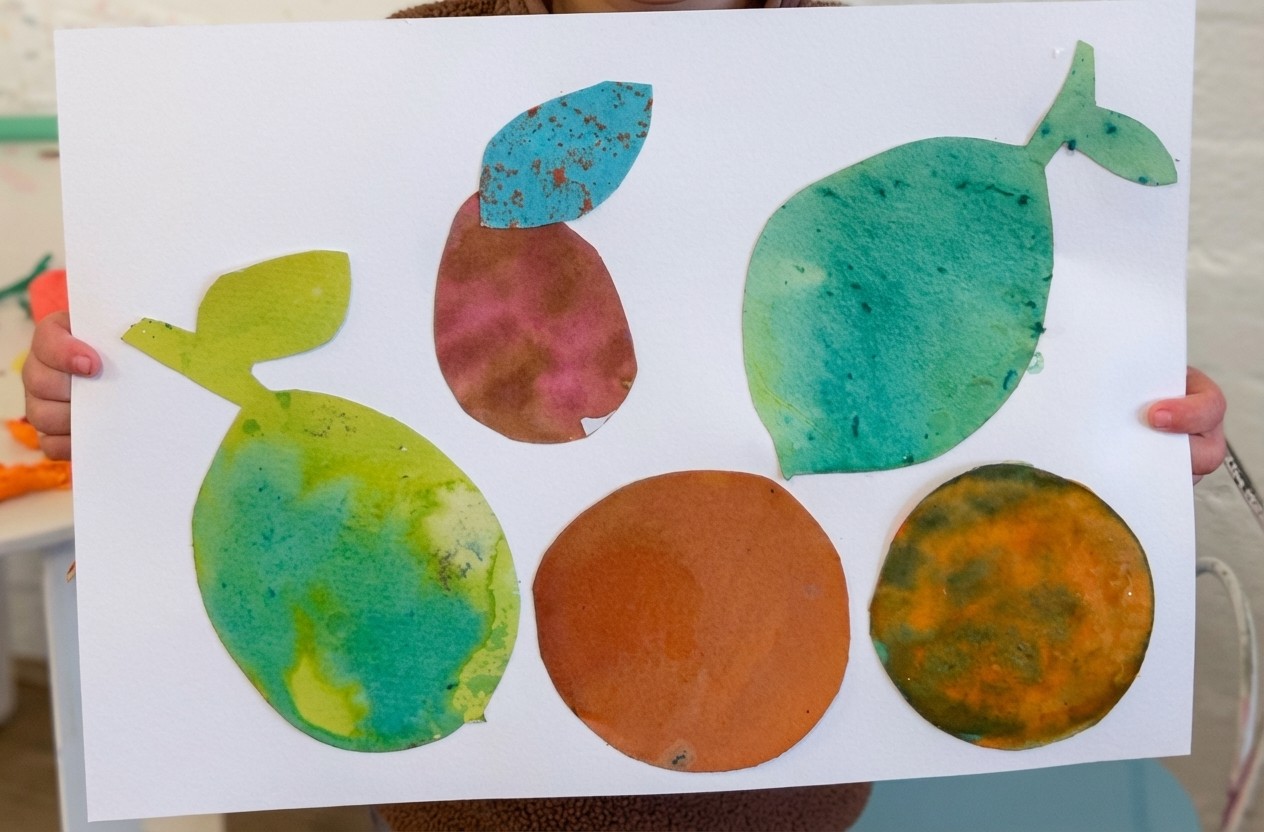
The Set Up
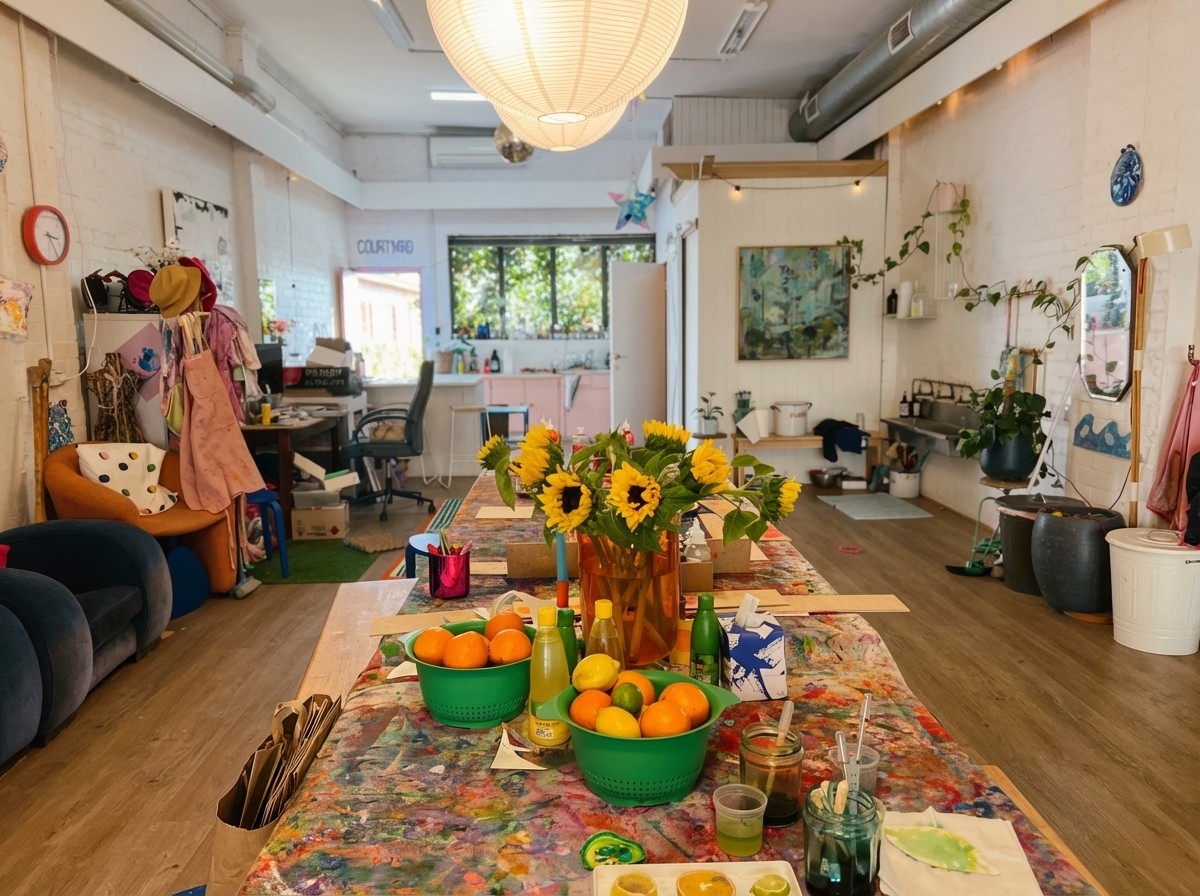
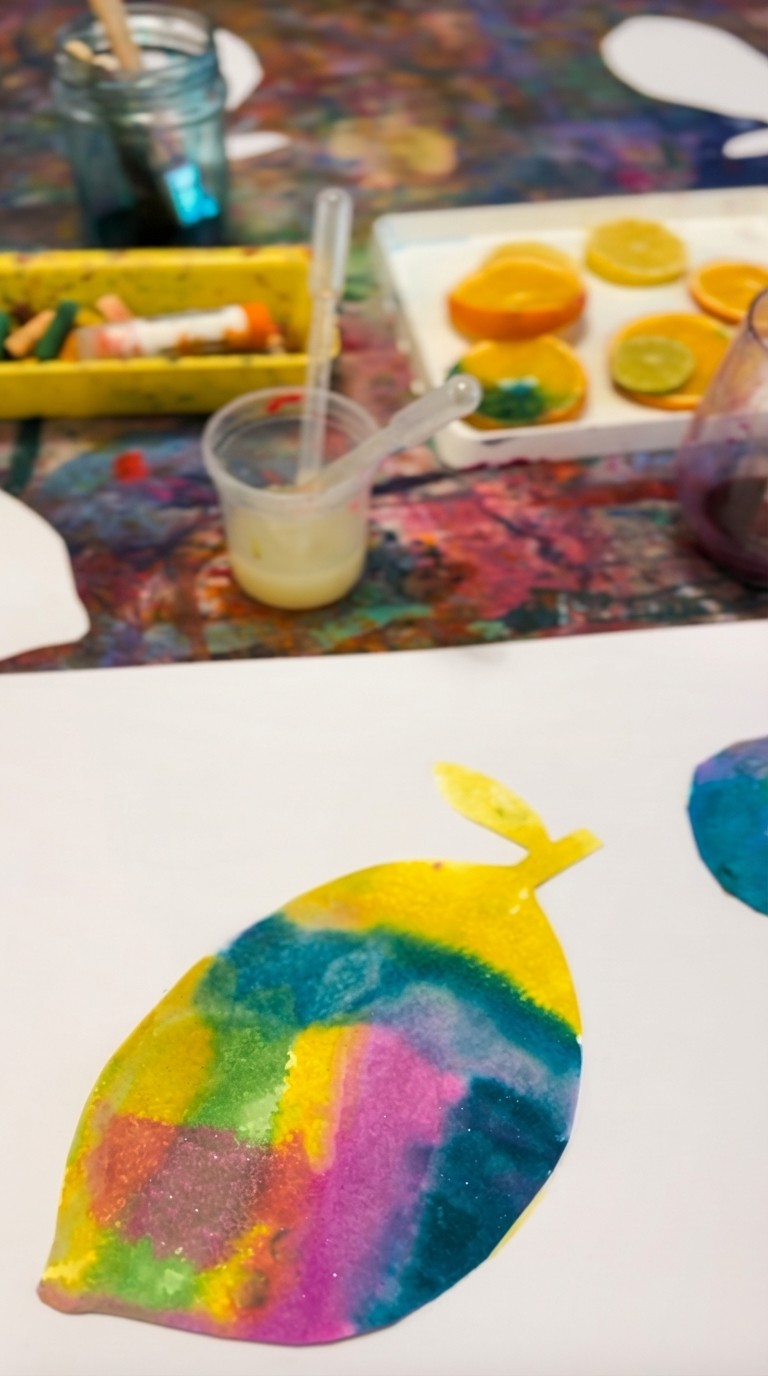
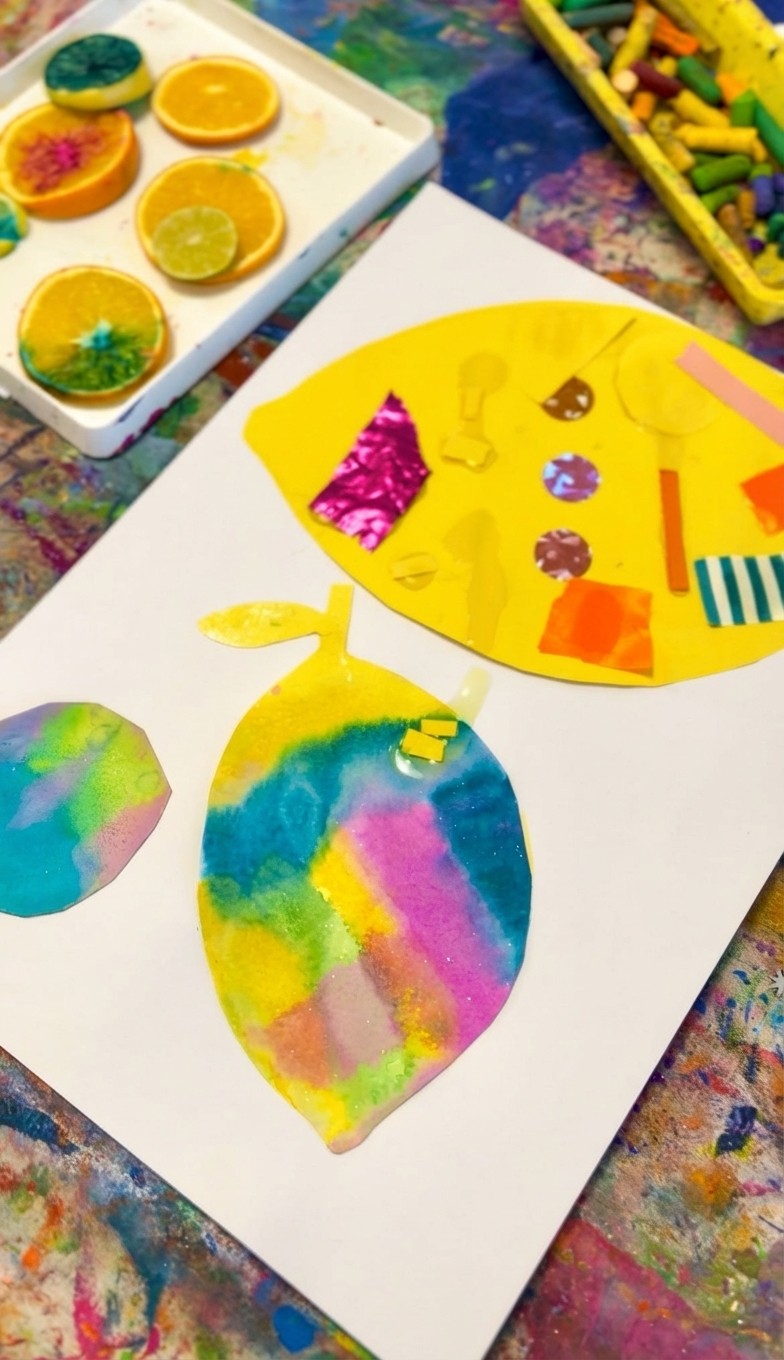
Bright citrus colours and simple tools are a match made in heaven! Cut some lemon and lime circles and wedges, and fill a small cup or two with juice. Thick watercolour paper is preferred, because the paper will inevitably get soaked with the gorgeous citrus-y liquid watercolours. Plus oil pastels and little droppers or pipettes add another layer of curiosity and fine-motor control.
If using real citrus isn’t suitable for your space, vinegar or a citric acid solution can be used instead. The effect changes slightly, but the sense of discovery remains and the general bones of the process remain the same.
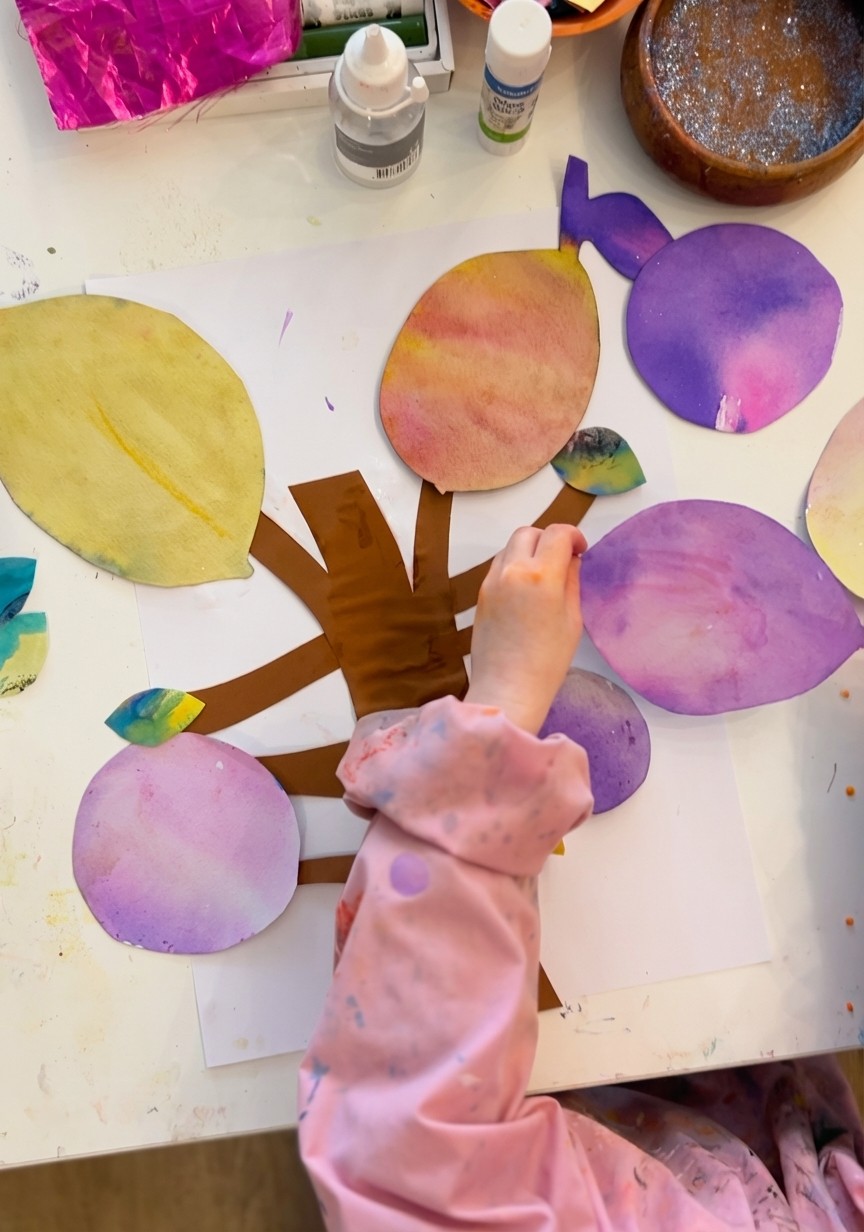
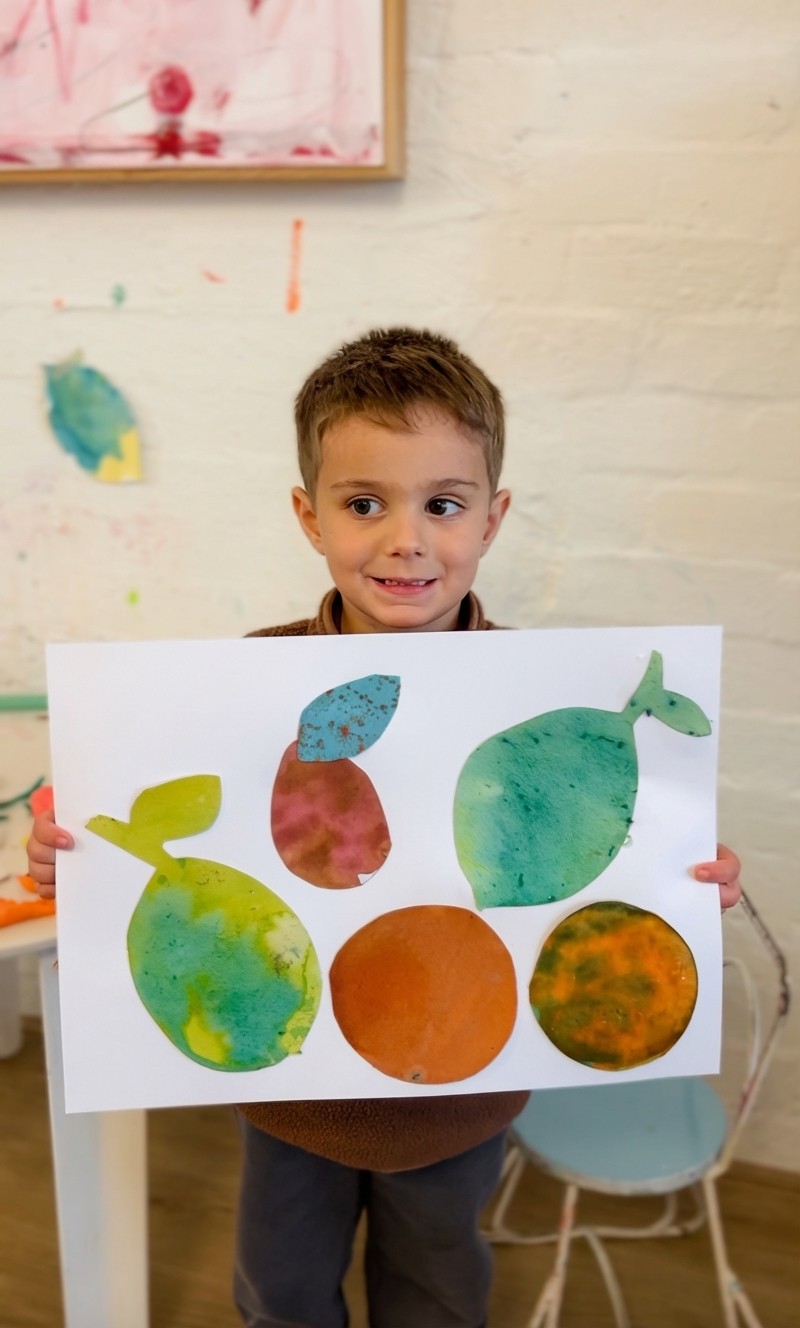
Pre-cutting the paper into citrus-y shapes for younger artists is helpful, or stick with the rectangular page for more open-ended creations.
The Making
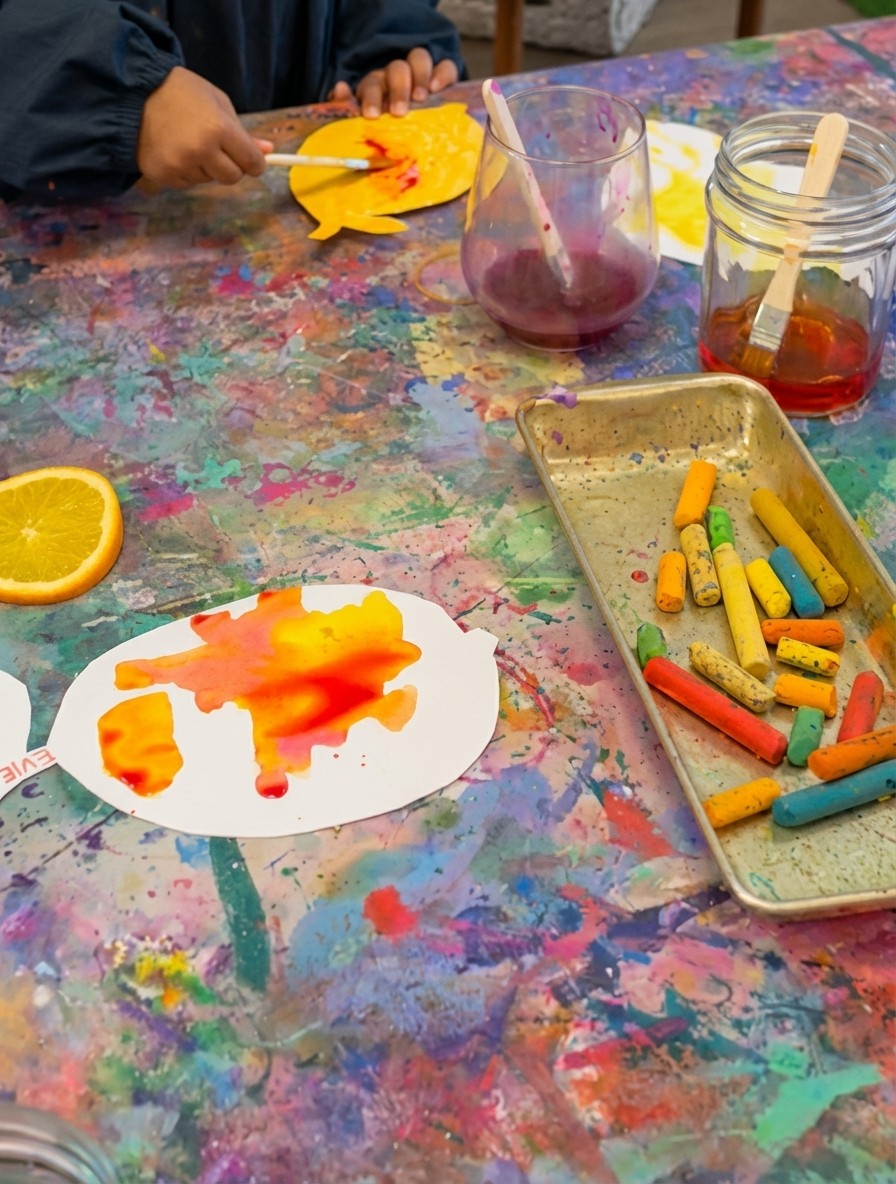
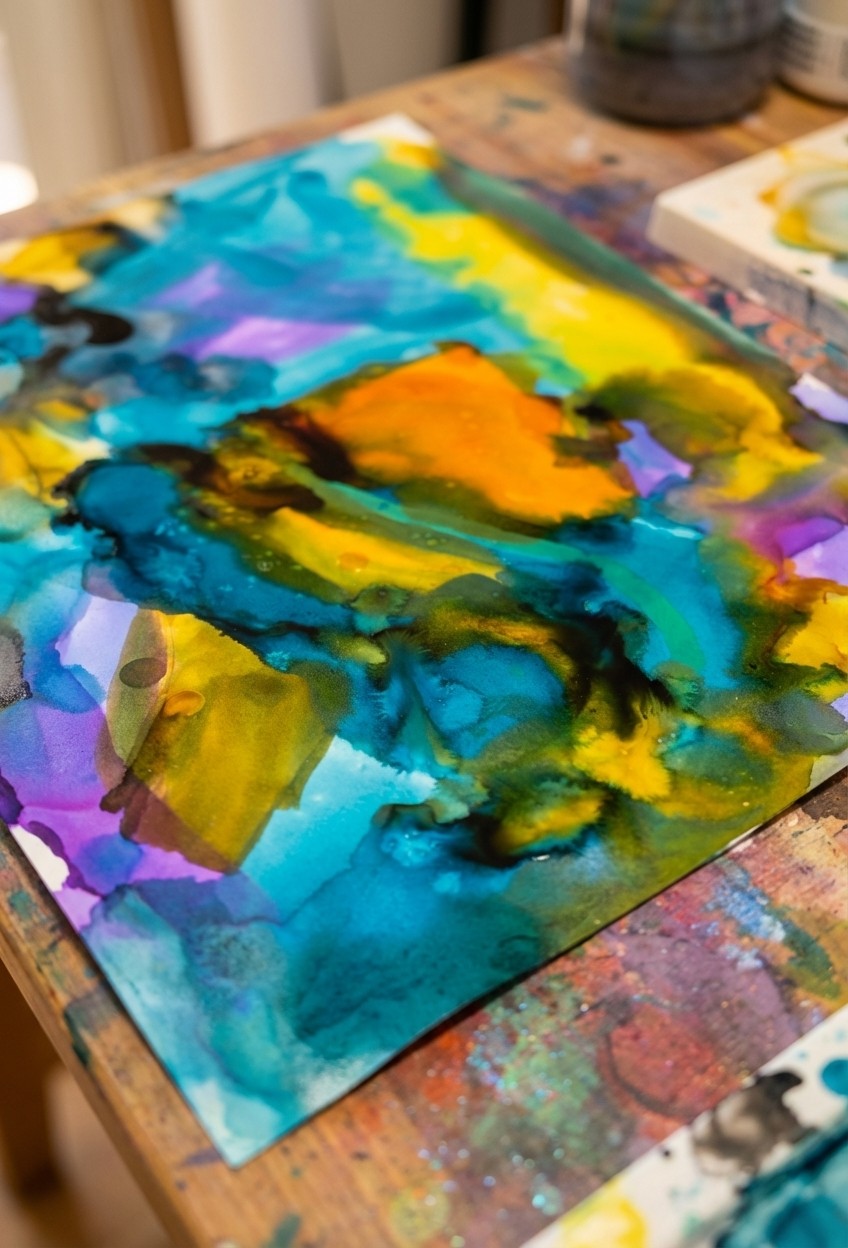
I adore this art experience, because the materials are simply laid out and everyone is free to explore. Liquid watercolours, citrus, droppers. From there, the page becomes a place to try things and see what happens!
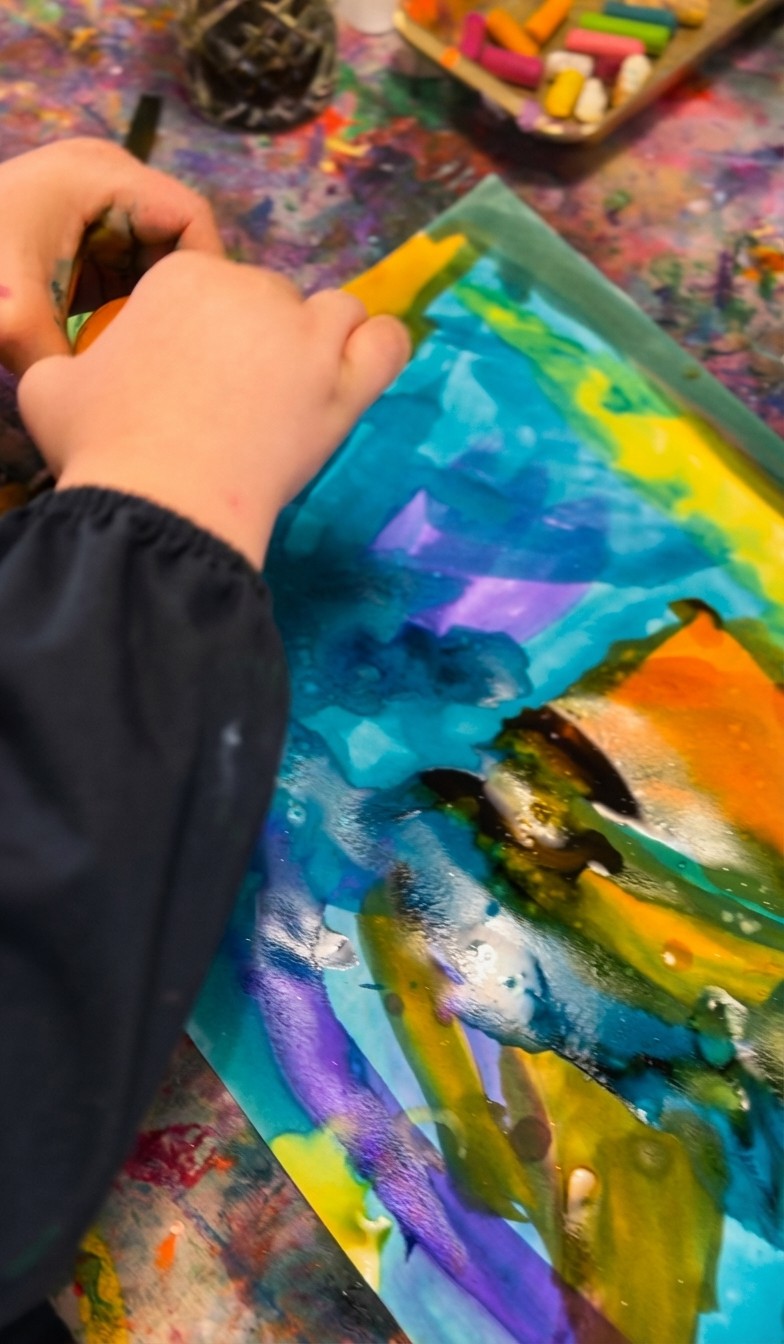
Kids will start noticing the science very quickly. Mixing and reacting and changing. There’s a lot to watch if you slow down enough.
Variations
Add baking soda sparingly for extra fizz and texture.
Limit the palette to yellows, greens, and oranges.
Materials
Paper
Liquid watercolours
Lemons and limes (both full fruits and bottles of juice)
Droppers or pipettes
Bowls
Back to Top
Citrus Painting
Art x Science
Bookmark
Painting & Drawing
The Set Up
Bright citrus colours and simple tools are a match made in heaven! Cut some lemon and lime circles and wedges, and fill a small cup or two with juice. Thick watercolour paper is preferred, because the paper will inevitably get soaked with the gorgeous citrus-y liquid watercolours. Plus oil pastels and little droppers or pipettes add another layer of curiosity and fine-motor control.
If using real citrus isn’t suitable for your space, vinegar or a citric acid solution can be used instead. The effect changes slightly, but the sense of discovery remains and the general bones of the process remain the same.
Pre-cutting the paper into citrus-y shapes for younger artists is helpful, or stick with the rectangular page for more open-ended creations.
The Making
I adore this art experience, because the materials are simply laid out and everyone is free to explore. Liquid watercolours, citrus, droppers. From there, the page becomes a place to try things and see what happens!
Kids will start noticing the science very quickly. Mixing and reacting and changing. There’s a lot to watch if you slow down enough.
Variations
Add baking soda sparingly for extra fizz and texture.
Limit the palette to yellows, greens, and oranges.
Materials
Paper
Liquid watercolours
Lemons and limes (both full fruits and bottles of juice)
Droppers or pipettes
Bowls
Back to Top
Add this to your favourites
Add this to your favourites
Thoughts?
Would love to hear if youv'e tried this or have any ideas on how to make it even better!