Colour Mixing
A brush full of possibility!
The Set Up
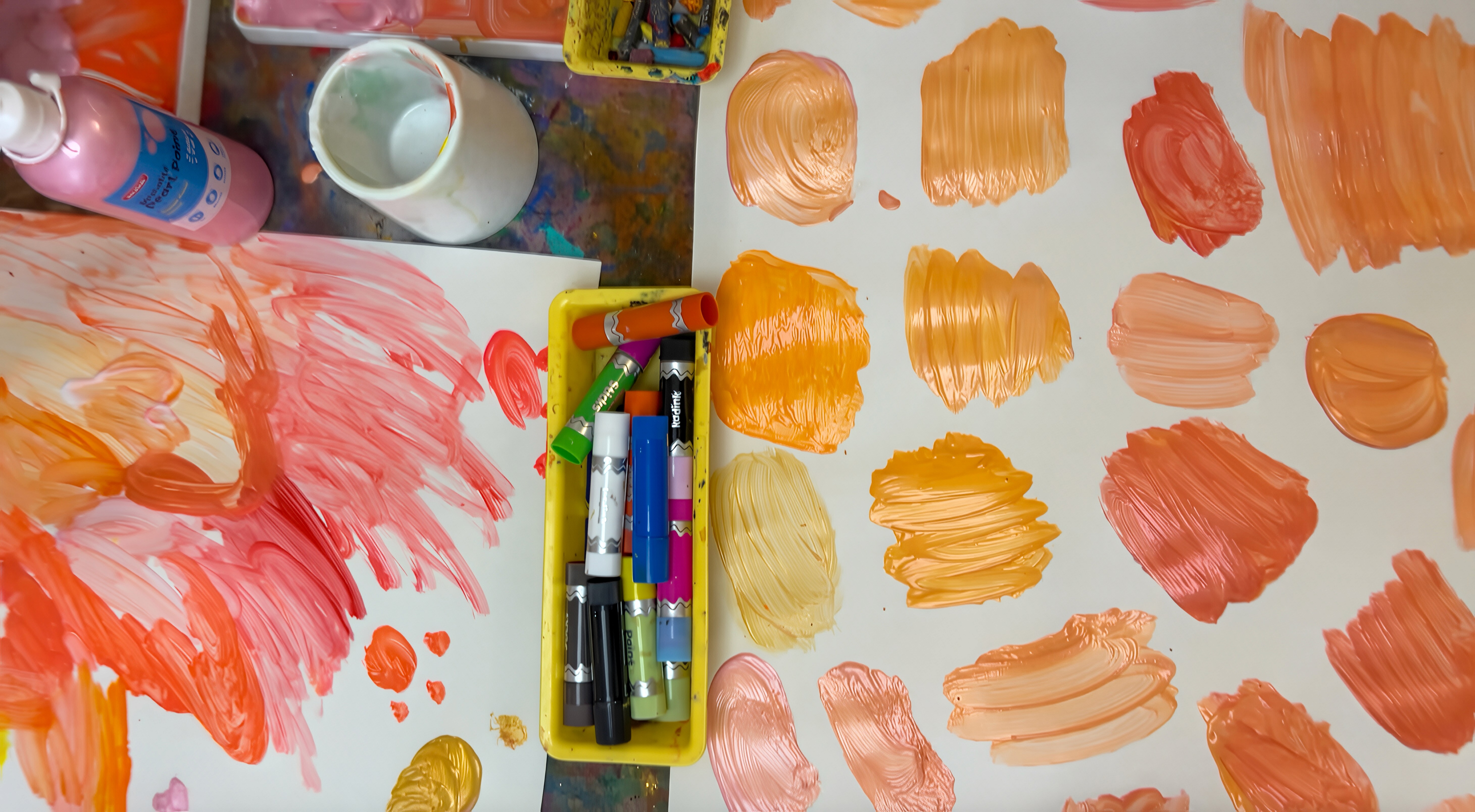
This experience gives colour the time and space it deserves. There’s no rush to make a finished picture and the focus is on noticing what happens when colours meet.
Start with a very limited palette. Red, yellow, and white are perfect. That constraint matters because it keeps the attention on mixing rather than choosing, and it opens up far more discovery than a full rainbow ever could!
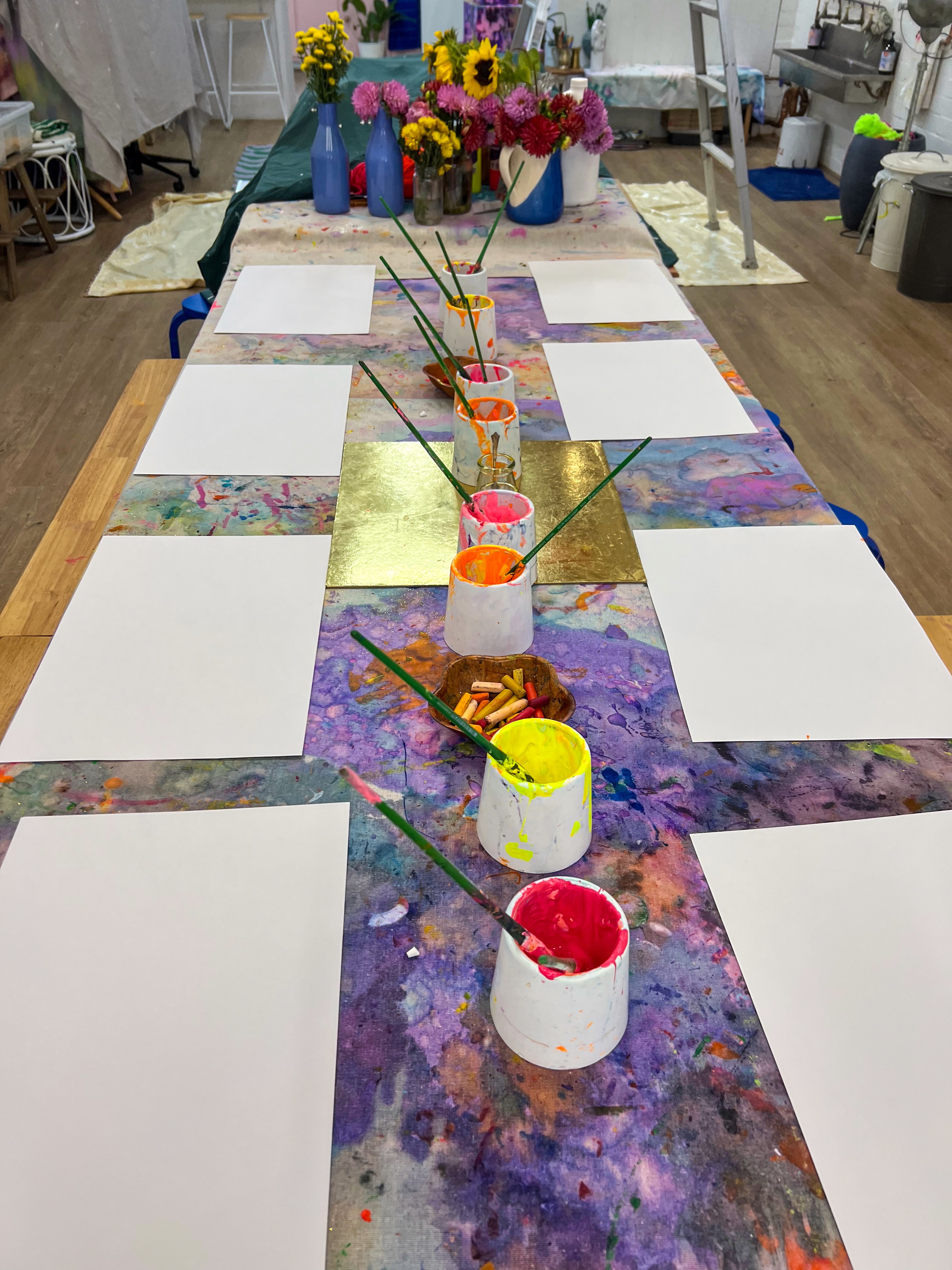
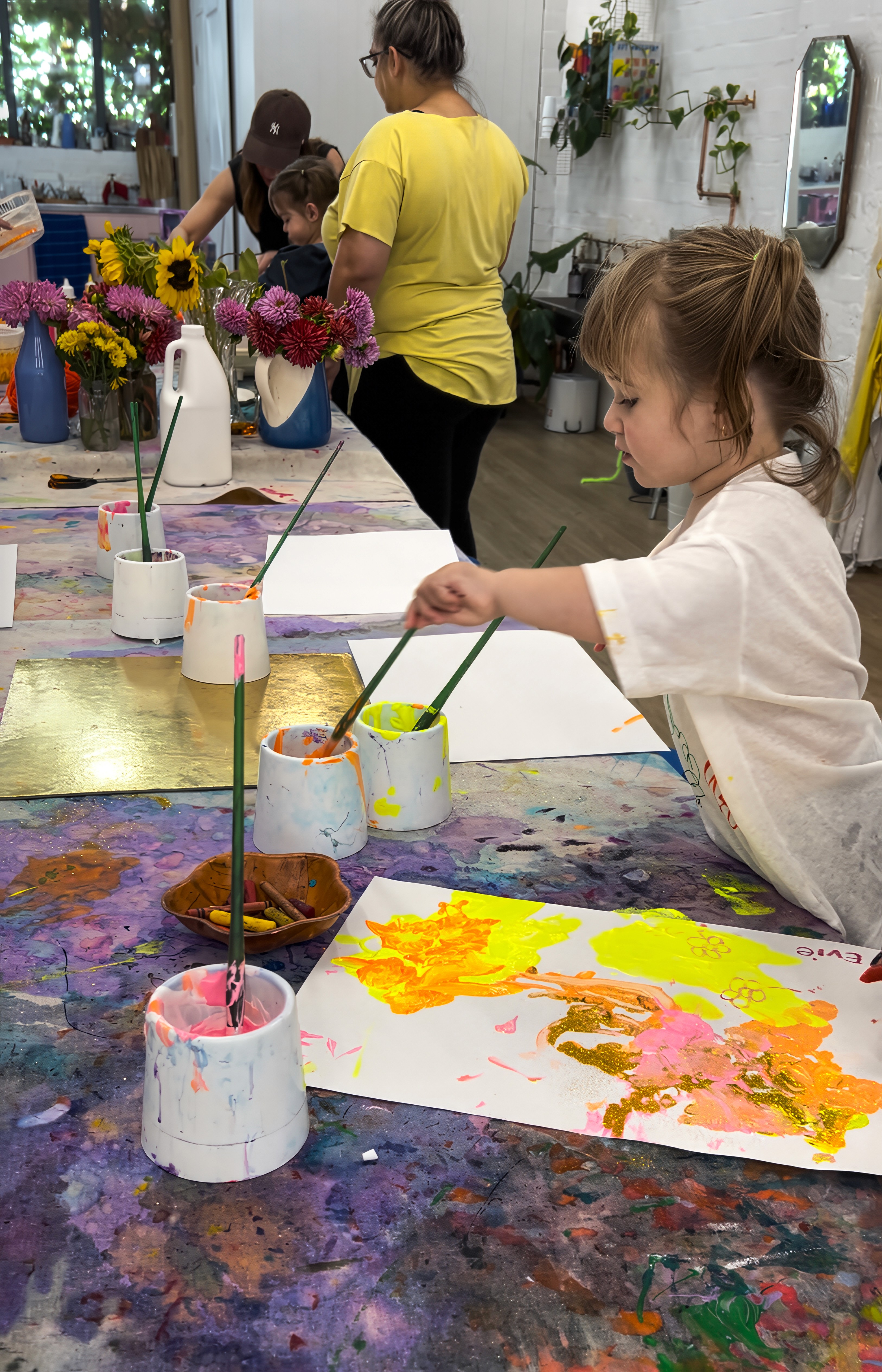
Set up trays, jars, or shallow dishes for mixing, with a good range of brushes and tools. Thick and thin. Soft and scratchy. Plenty of water nearby so colours can be lightened, softened, and shifted around. I love using recycled (and cleaned!) egg cartons for colour mixing. The little cups are the perfect size for experimenting, and the larger 36-egg cartons are amazing for really stretching the breadth of colours artists can create.
Paper can be anything you like, but individual sheets work beautifully here. This is a lovely opportunity for each artist to create their own colour page, a kind of personal colour library.
The Making
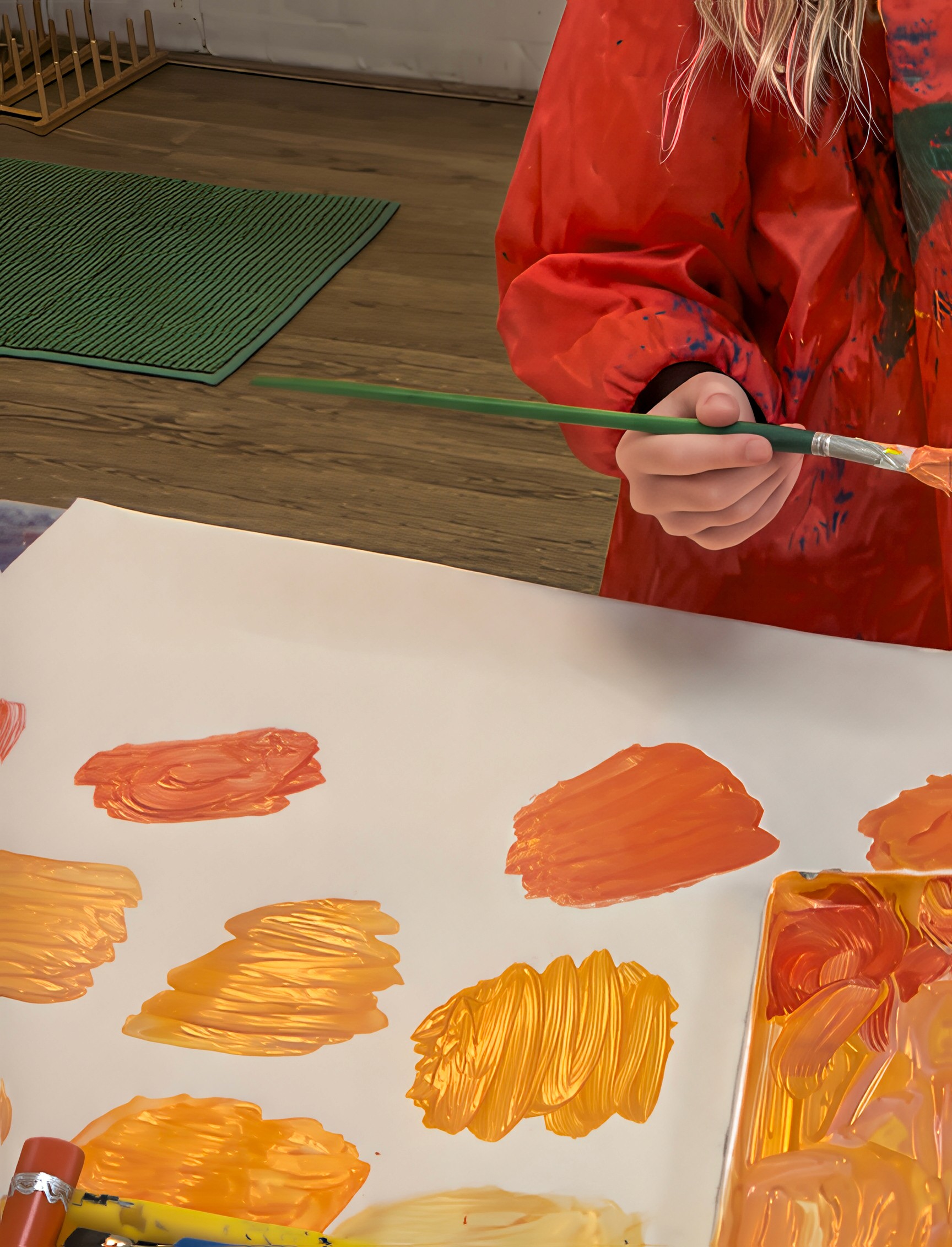
Let the mixing lead. Red into yellow. Yellow into white. A little more. Too much? Add white and see how it changes.
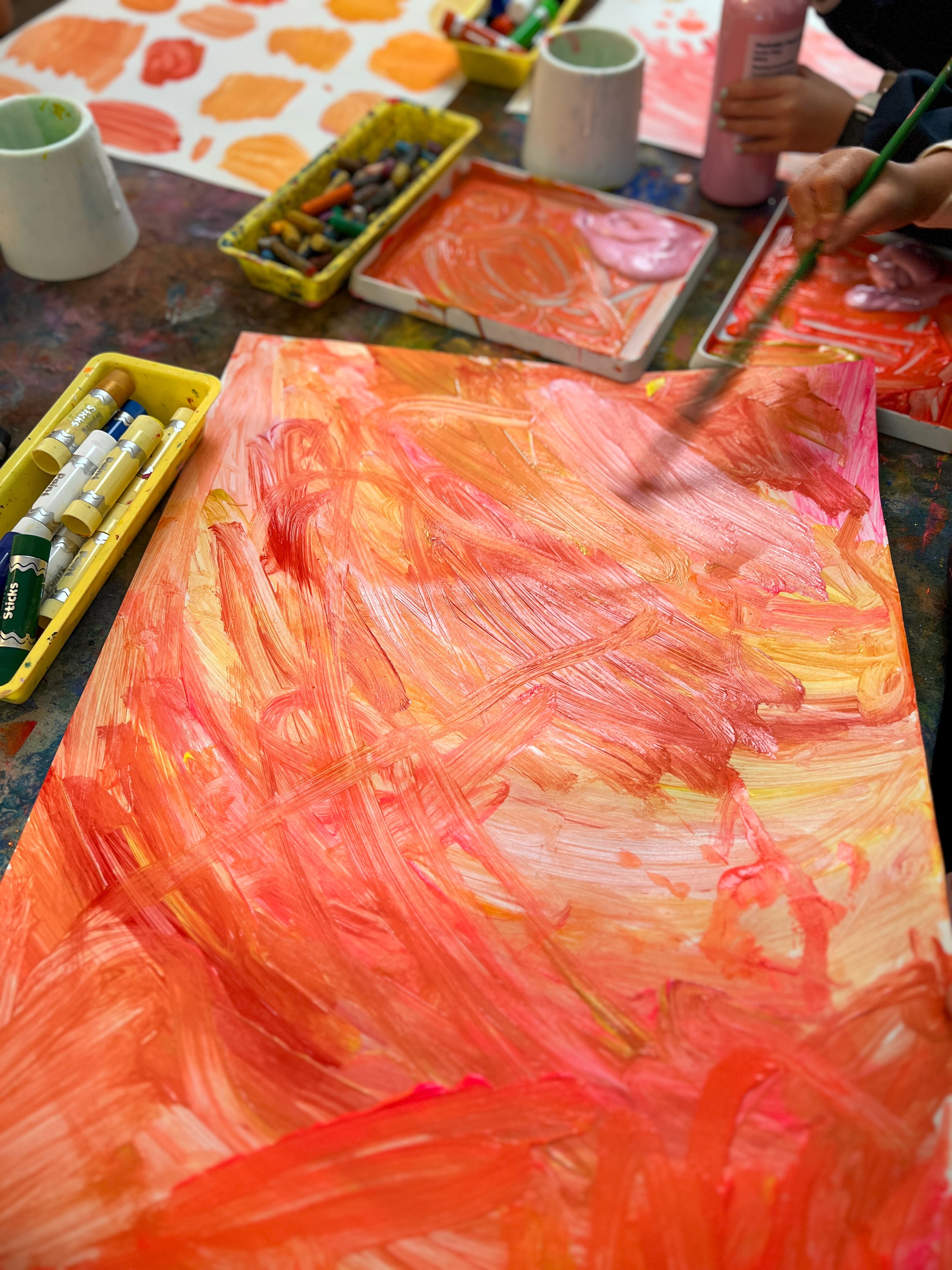
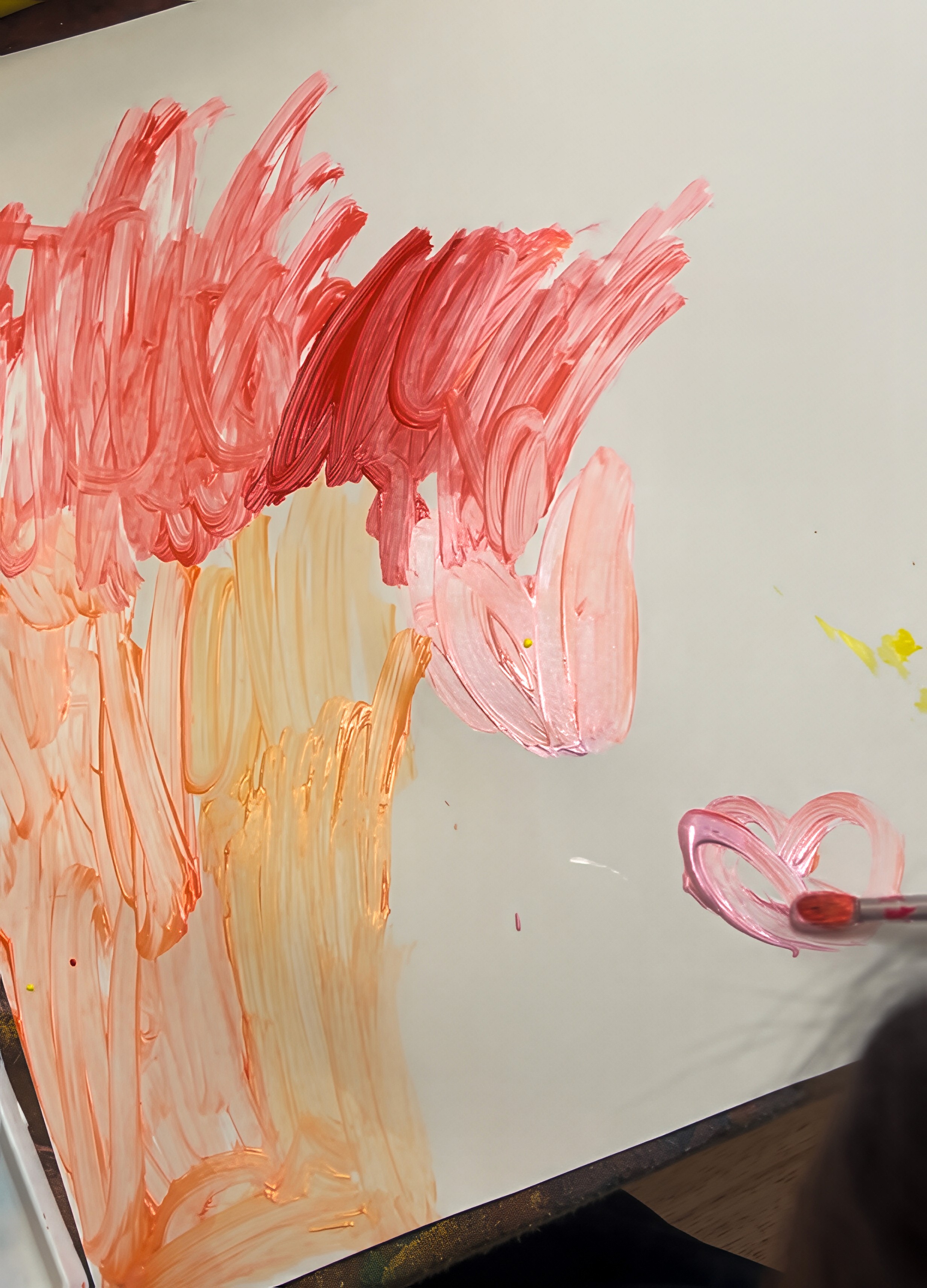
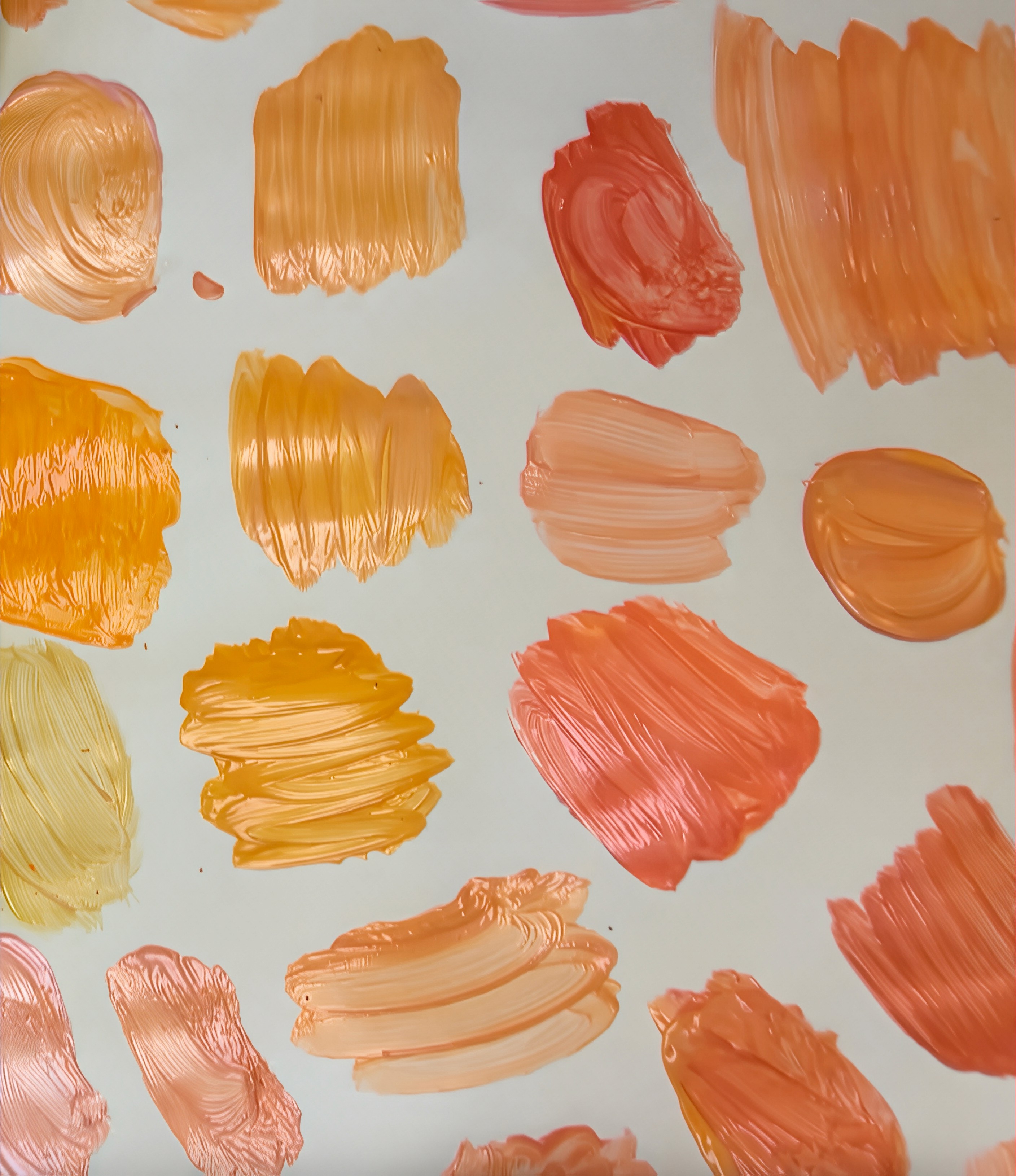
As colours start to appear, this is a beautiful moment to name what’s happening out loud. Primary colours mixing to make secondary colours. Adding white to create tints. Watching how a colour gets lighter, softer, quieter. Value shifts become visible very quickly when everything is side by side.
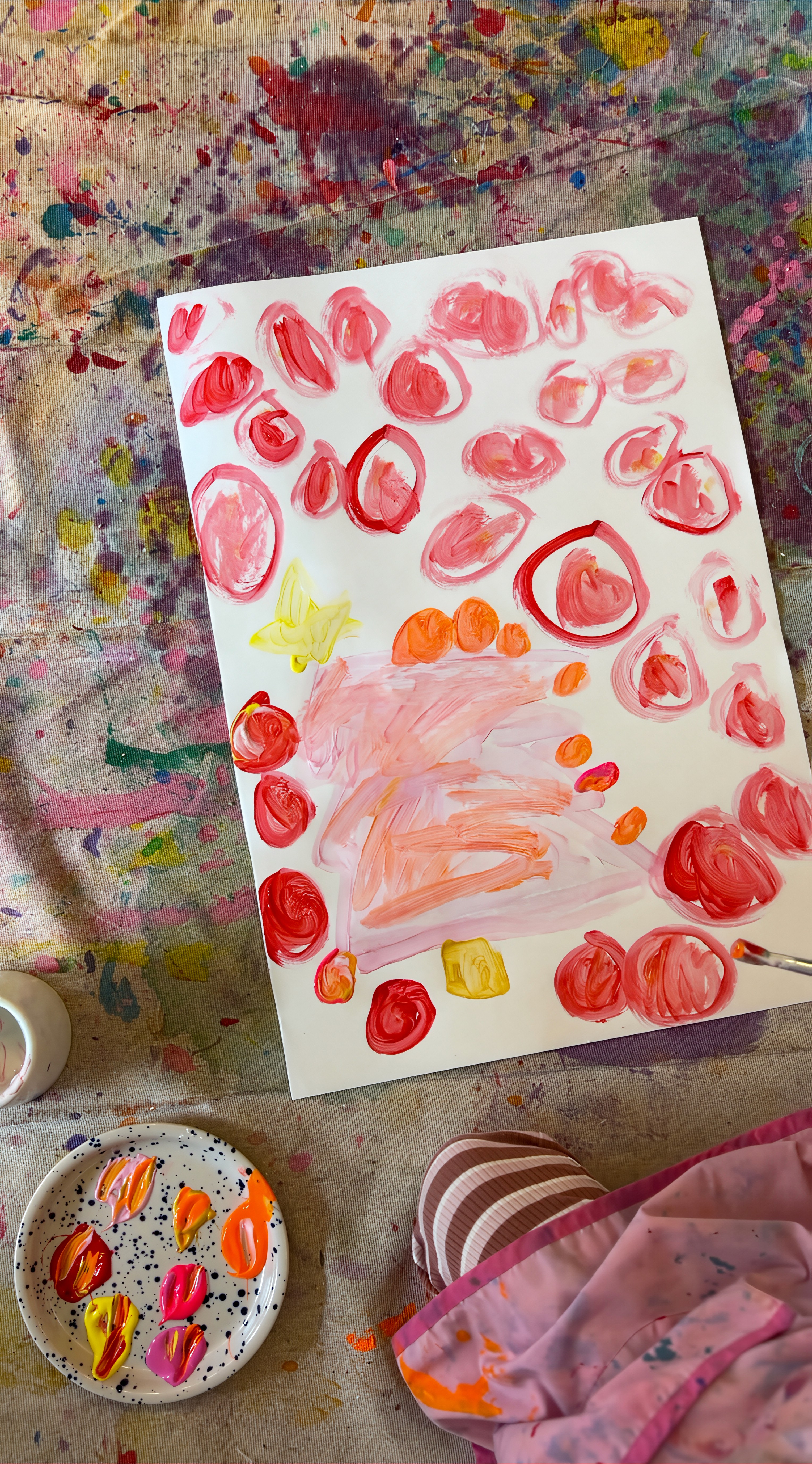
Many artists naturally organise their discoveries into swatches. Lining colours up. Naming them. Comparing one mix to the next. These pages become personal colour maps, showing how each artist arrived at their palette.
You might notice conversations popping up around warmth and coolness, brightness and depth. A colour that felt loud at first becomes calmer with white. Another deepens as more pigment is added. There’s no need to correct or steer too much here. Simply naming what you’re seeing gives kids the language to keep experimenting.
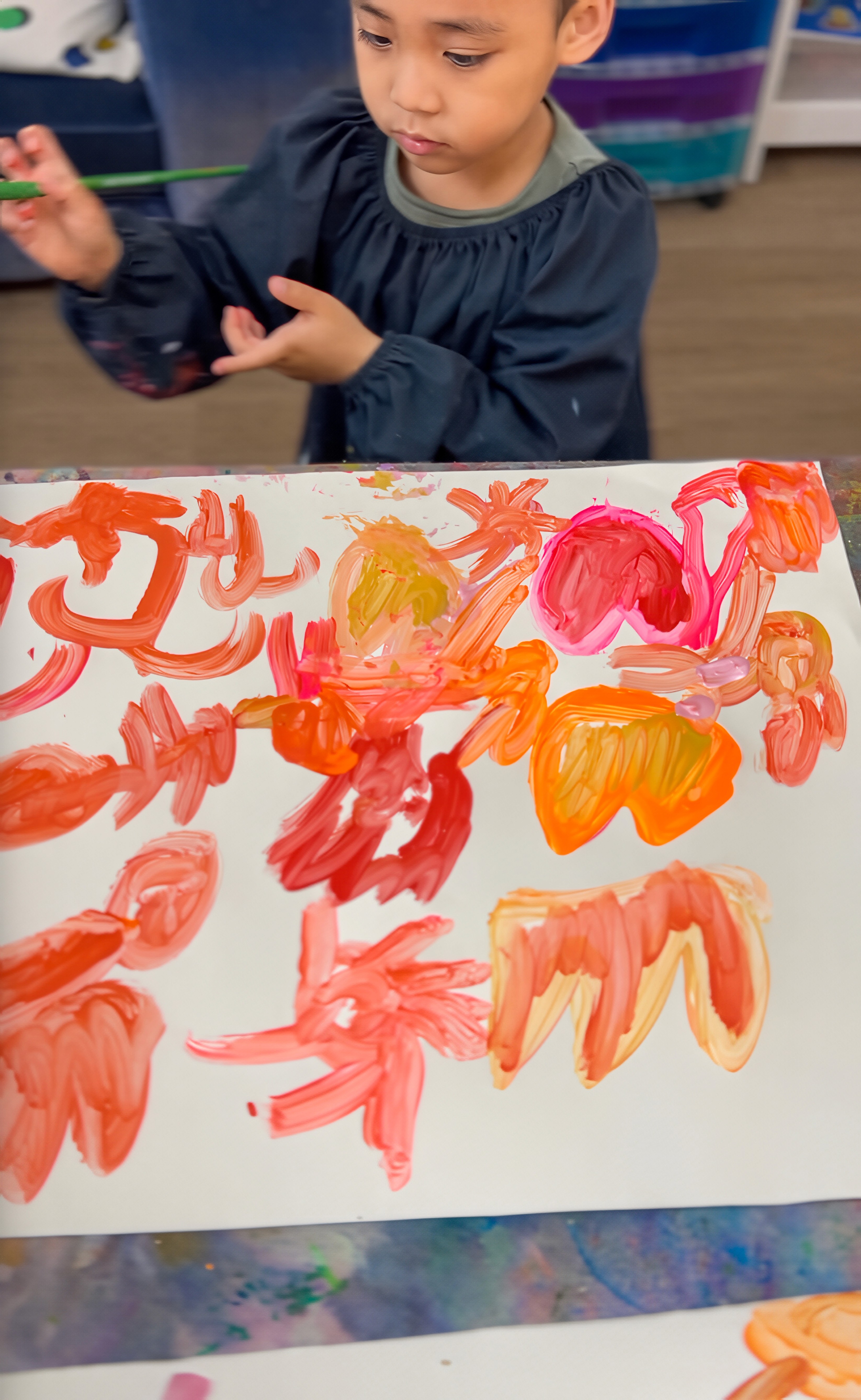
Some pages stay as collections of colour. Others might drift into loose shapes or paintings once the palette feels rich enough.
A Little Colour Language
You don’t need to teach colour theory for this experience to work. But having a few shared words can be really helpful when you’re talking alongside kids and naming what’s happening as they mix.
Primary colours
Red, yellow, and blue. These are the starting colours. All other colours are made from mixing them.
Secondary colours
Made by mixing two primary colours together.
Red + yellow = orange
Yellow + blue = green
Red + blue = purple
Tertiary colours
These are the in-between colours. They’re created when a primary and a secondary colour mix, or when colours keep blending and shifting.
Think aqua, teal, turquoise, magenta, coral, chartreuse, plum.
They don’t always have obvious names, and that’s part of the joy.
Tints
A colour mixed with white. This makes the colour lighter and softer.
“This one’s the same colour, just lighter.”
Value
How light or dark a colour feels. Adding white raises the value. Adding more pigment lowers it.
“This one feels much deeper than the last mix.”
You don’t need to correct or label everything. Simply naming what you notice gives kids language for their thinking and keeps the focus on exploration rather than outcomes.
Materials
Red, yellow, and white poster/tempera paint
Optional metallic or pearlescent paint
Palettes, trays, jars, shallow dishes, or recycled egg cartons
Brushes in a range of sizes and textures
Droppers or pipettes (optional)
Water containers
Paper for colour swatches and experimenting (cartridge or watercolour paper)
Paint swatches from a hardware or paint store (optional, for colour matching)
Paper towels or cloths for wiping brushes
Back to Top
Colour Mixing
A brush full of possibility!
Bookmark
Creative Exploration
The Set Up
This experience gives colour the time and space it deserves. There’s no rush to make a finished picture and the focus is on noticing what happens when colours meet.
Start with a very limited palette. Red, yellow, and white are perfect. That constraint matters because it keeps the attention on mixing rather than choosing, and it opens up far more discovery than a full rainbow ever could!
Set up trays, jars, or shallow dishes for mixing, with a good range of brushes and tools. Thick and thin. Soft and scratchy. Plenty of water nearby so colours can be lightened, softened, and shifted around. I love using recycled (and cleaned!) egg cartons for colour mixing. The little cups are the perfect size for experimenting, and the larger 36-egg cartons are amazing for really stretching the breadth of colours artists can create.
Paper can be anything you like, but individual sheets work beautifully here. This is a lovely opportunity for each artist to create their own colour page, a kind of personal colour library.
The Making
Let the mixing lead. Red into yellow. Yellow into white. A little more. Too much? Add white and see how it changes.
As colours start to appear, this is a beautiful moment to name what’s happening out loud. Primary colours mixing to make secondary colours. Adding white to create tints. Watching how a colour gets lighter, softer, quieter. Value shifts become visible very quickly when everything is side by side.
Many artists naturally organise their discoveries into swatches. Lining colours up. Naming them. Comparing one mix to the next. These pages become personal colour maps, showing how each artist arrived at their palette.
You might notice conversations popping up around warmth and coolness, brightness and depth. A colour that felt loud at first becomes calmer with white. Another deepens as more pigment is added. There’s no need to correct or steer too much here. Simply naming what you’re seeing gives kids the language to keep experimenting.
Some pages stay as collections of colour. Others might drift into loose shapes or paintings once the palette feels rich enough.
A Little Colour Language
You don’t need to teach colour theory for this experience to work. But having a few shared words can be really helpful when you’re talking alongside kids and naming what’s happening as they mix.
Primary colours
Red, yellow, and blue. These are the starting colours. All other colours are made from mixing them.
Secondary colours
Made by mixing two primary colours together.
Red + yellow = orange
Yellow + blue = green
Red + blue = purple
Tertiary colours
These are the in-between colours. They’re created when a primary and a secondary colour mix, or when colours keep blending and shifting.
Think aqua, teal, turquoise, magenta, coral, chartreuse, plum.
They don’t always have obvious names, and that’s part of the joy.
Tints
A colour mixed with white. This makes the colour lighter and softer.
“This one’s the same colour, just lighter.”
Value
How light or dark a colour feels. Adding white raises the value. Adding more pigment lowers it.
“This one feels much deeper than the last mix.”
You don’t need to correct or label everything. Simply naming what you notice gives kids language for their thinking and keeps the focus on exploration rather than outcomes.
Materials
Red, yellow, and white poster/tempera paint
Optional metallic or pearlescent paint
Palettes, trays, jars, shallow dishes, or recycled egg cartons
Brushes in a range of sizes and textures
Droppers or pipettes (optional)
Water containers
Paper for colour swatches and experimenting (cartridge or watercolour paper)
Paint swatches from a hardware or paint store (optional, for colour matching)
Paper towels or cloths for wiping brushes
Back to Top
Add this to your favourites
Add this to your favourites
Thoughts?
Would love to hear if youv'e tried this or have any ideas on how to make it even better!