Tile Stories
Layering colour, texture and instinct onto wood.
The Set Up
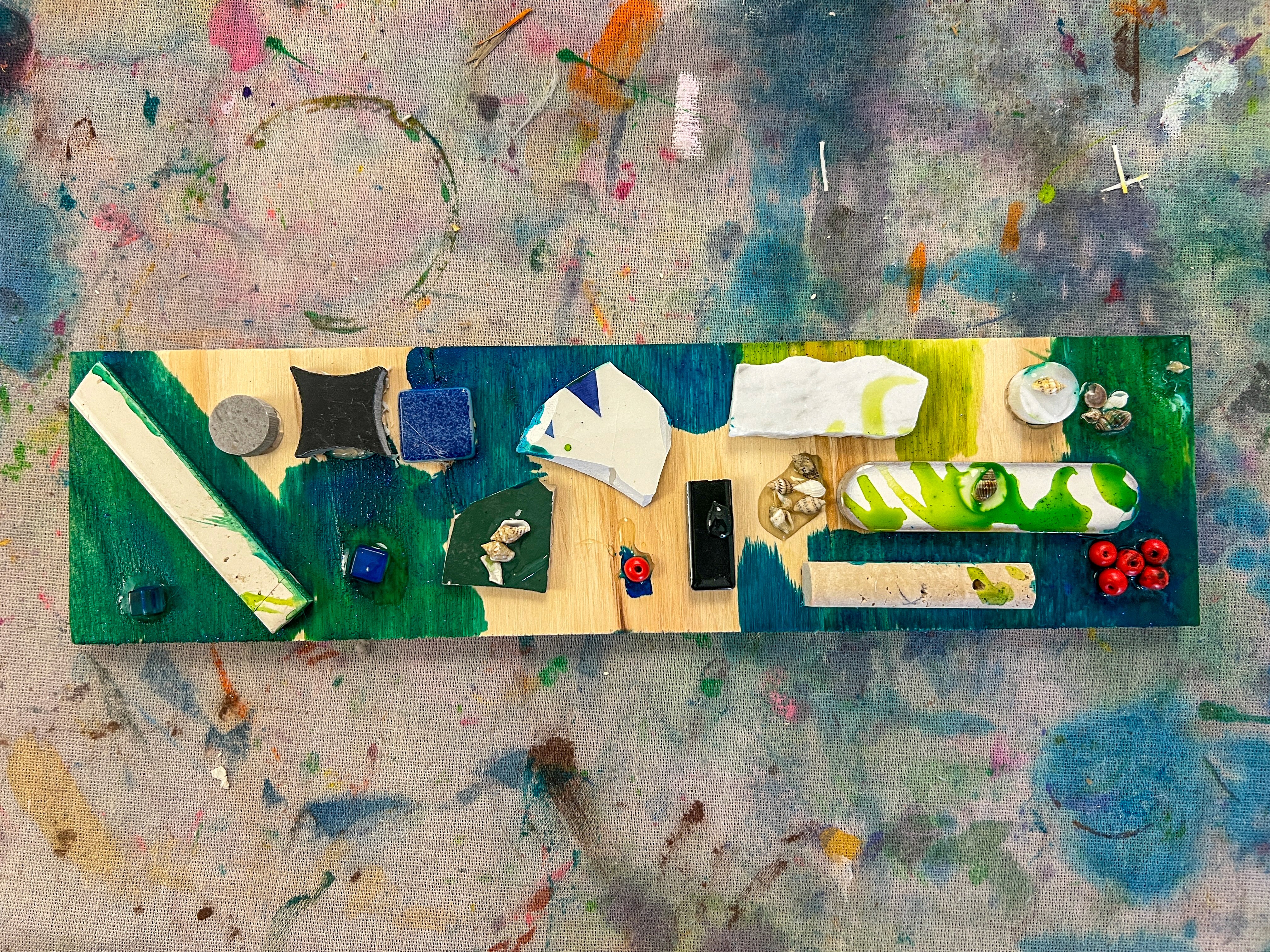
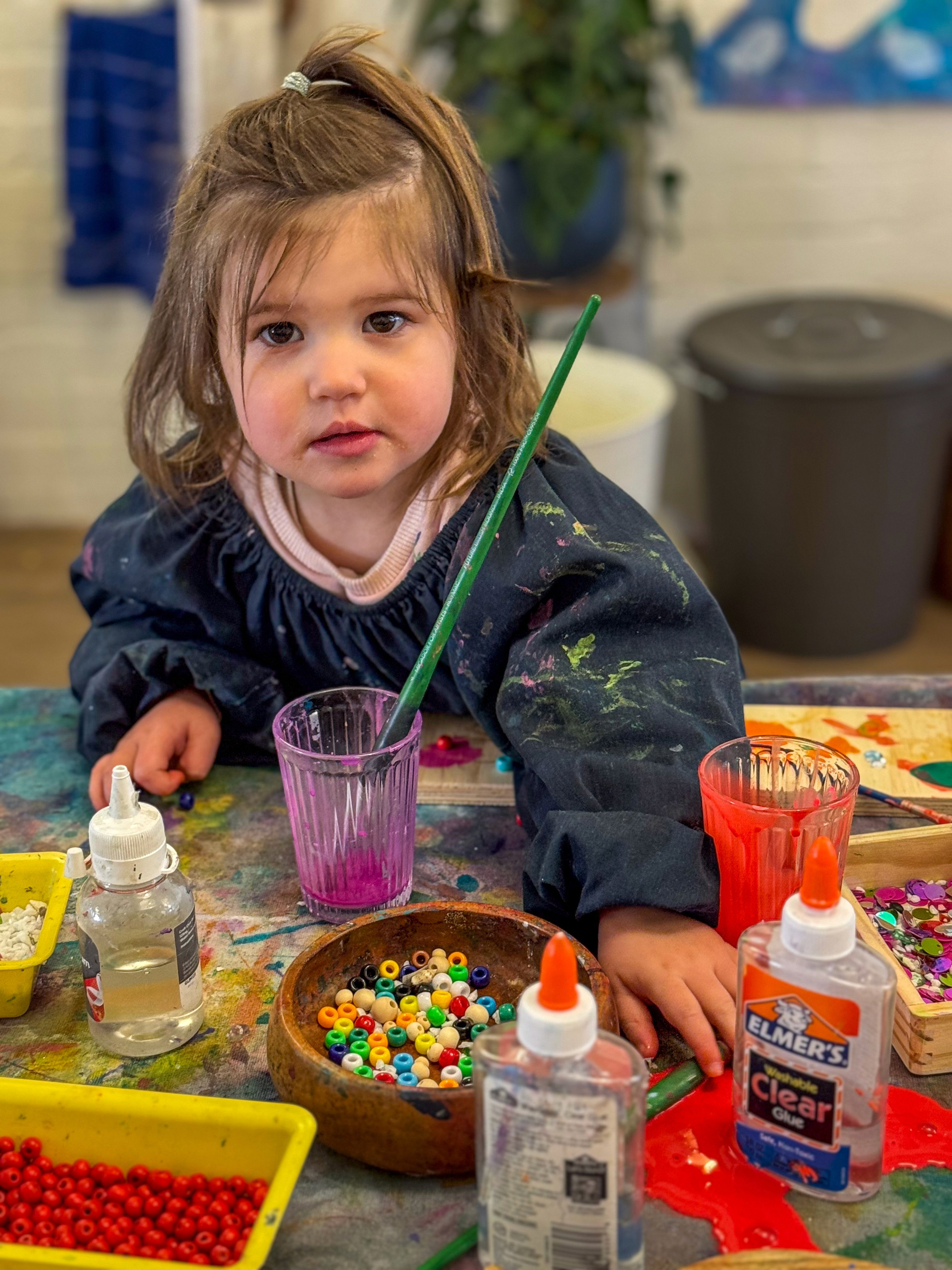
I adore this experience for how open it is. It’s one of those setups where every artist can make something completely different from the exact same materials.
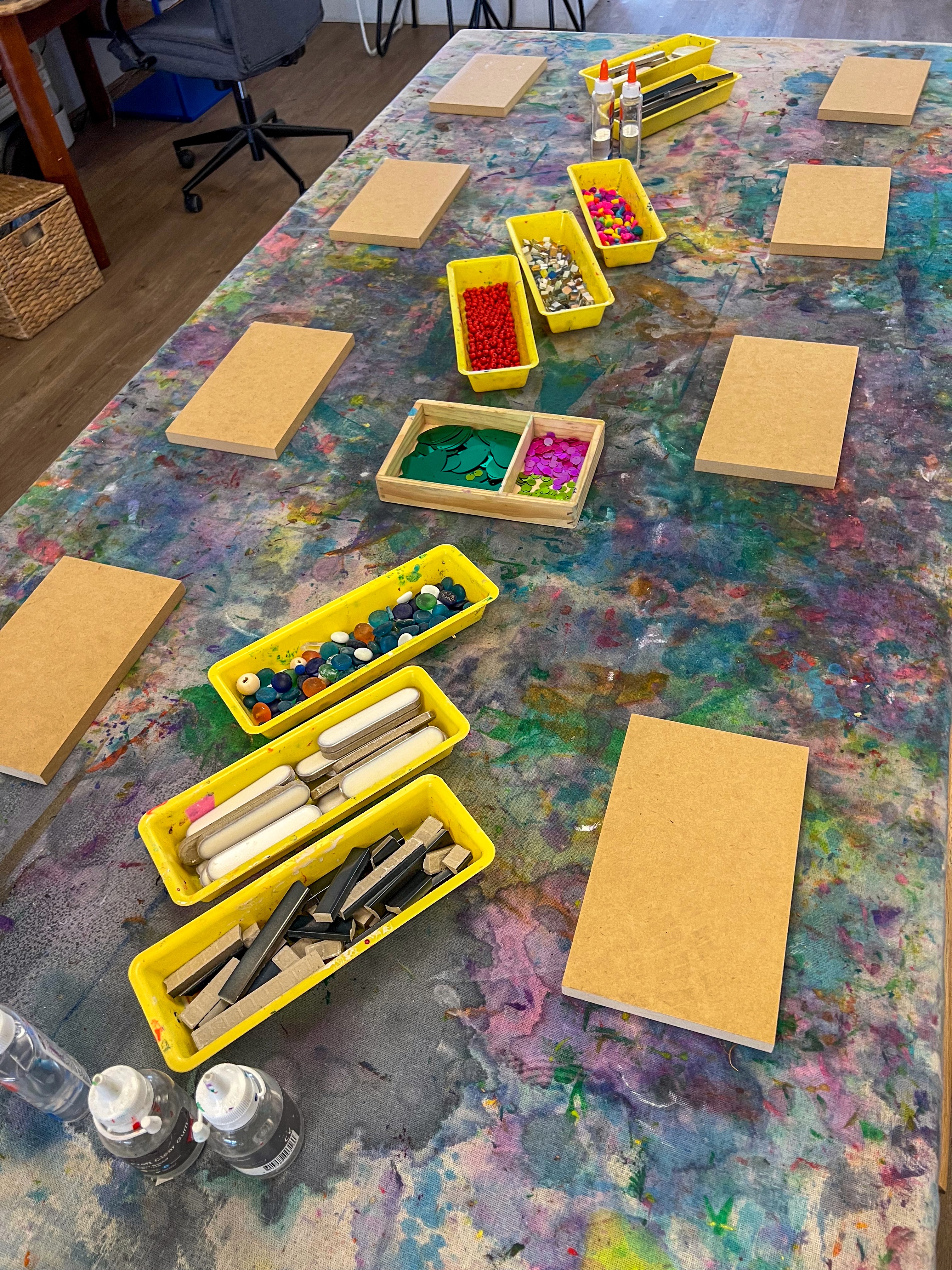
Start with a plain piece of wood. I recommend not making it too big for individual work, purely because large empty surfaces can feel daunting for younger kids, and you will need a lot of tiles. That said, this works beautifully as a shared collaborative piece if you want to go bigger and have everyone contribute.
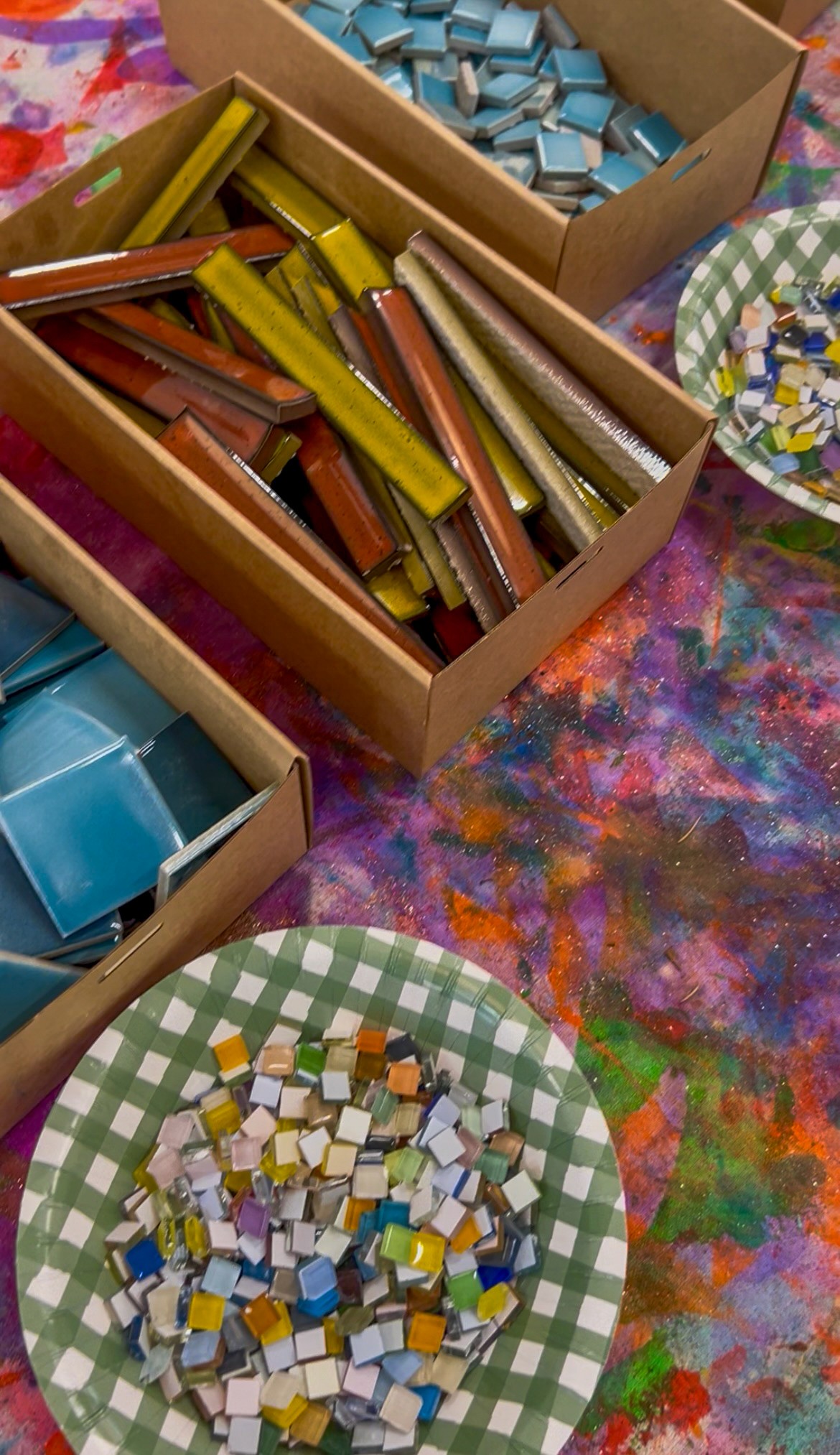
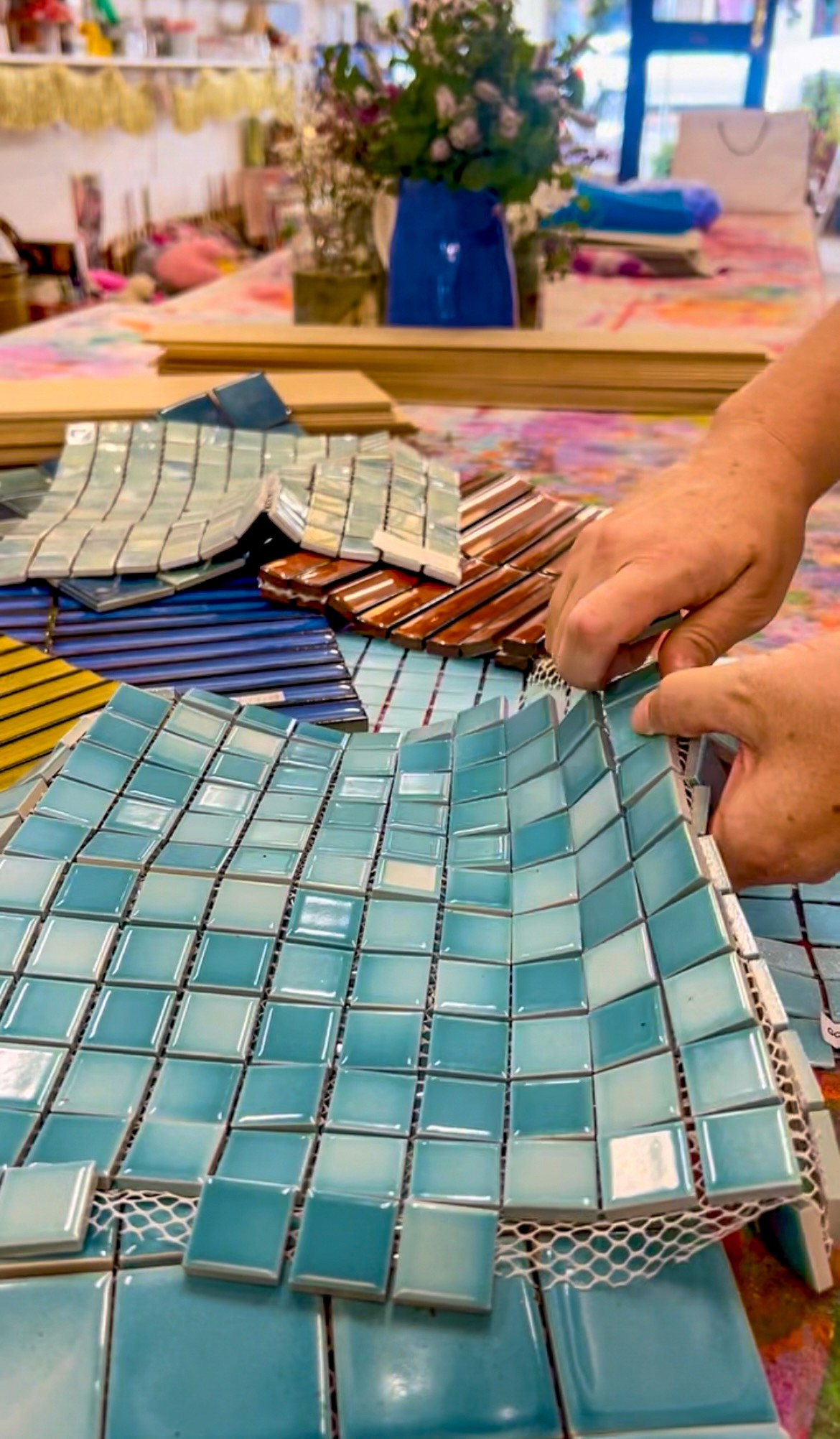
Curate your tiles. Recycled places and marketplace finds are gold. Hardware stores also sell inexpensive tile sheets and you can pull the tiles off the mesh backing easily. We have also made a call out to Smudge families for leftover renovation tiles, and people are often delighted to pass them on.
Add in little glass river stones, beads, and other treasures if you want more texture.
The Making
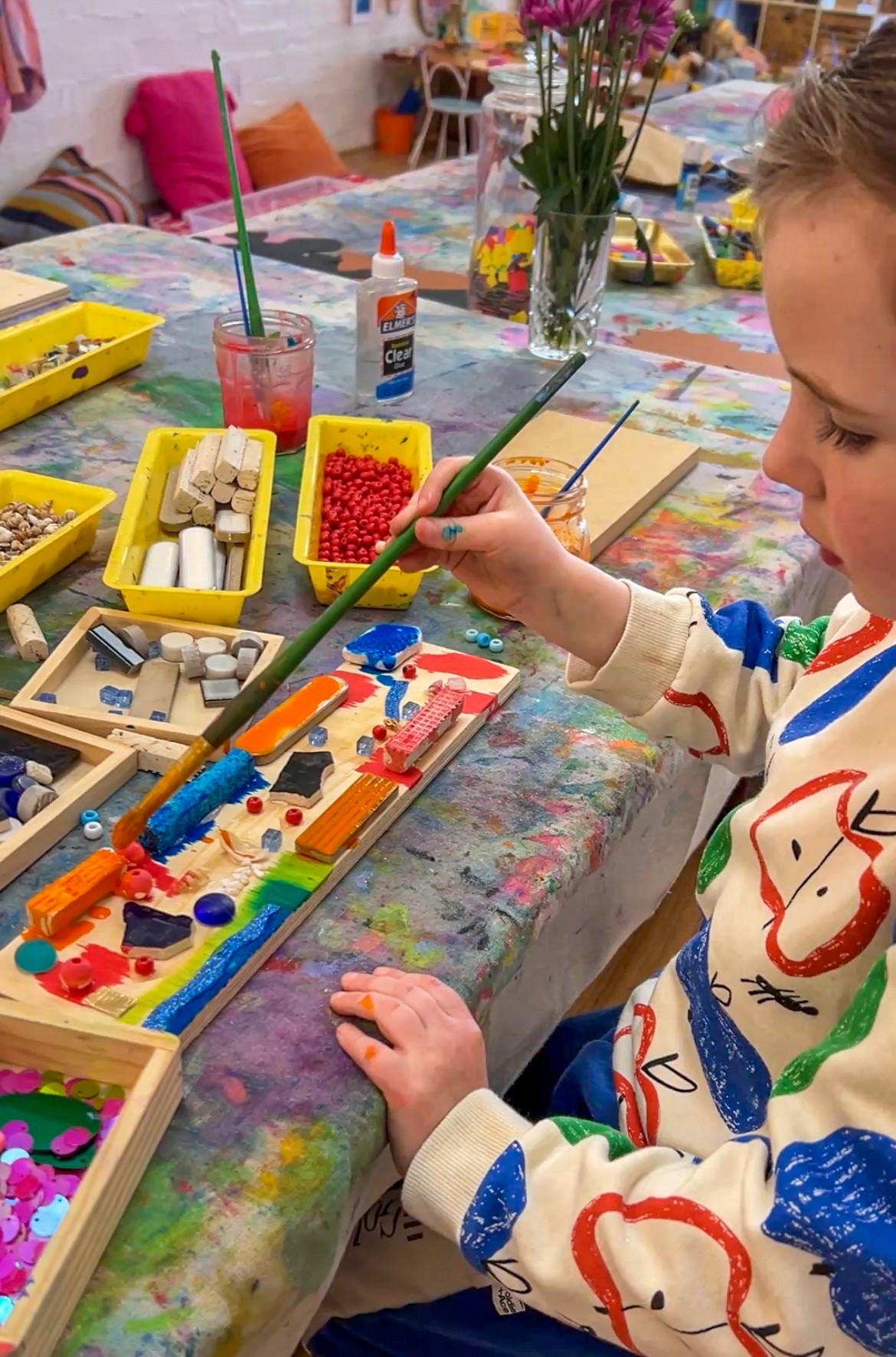
Invite kids to place and balance first. This part is so, so good. It’s engineering, composition, and decision making all at once! Then glue. Mosaic glue is ideal if you are using heavier tiles.
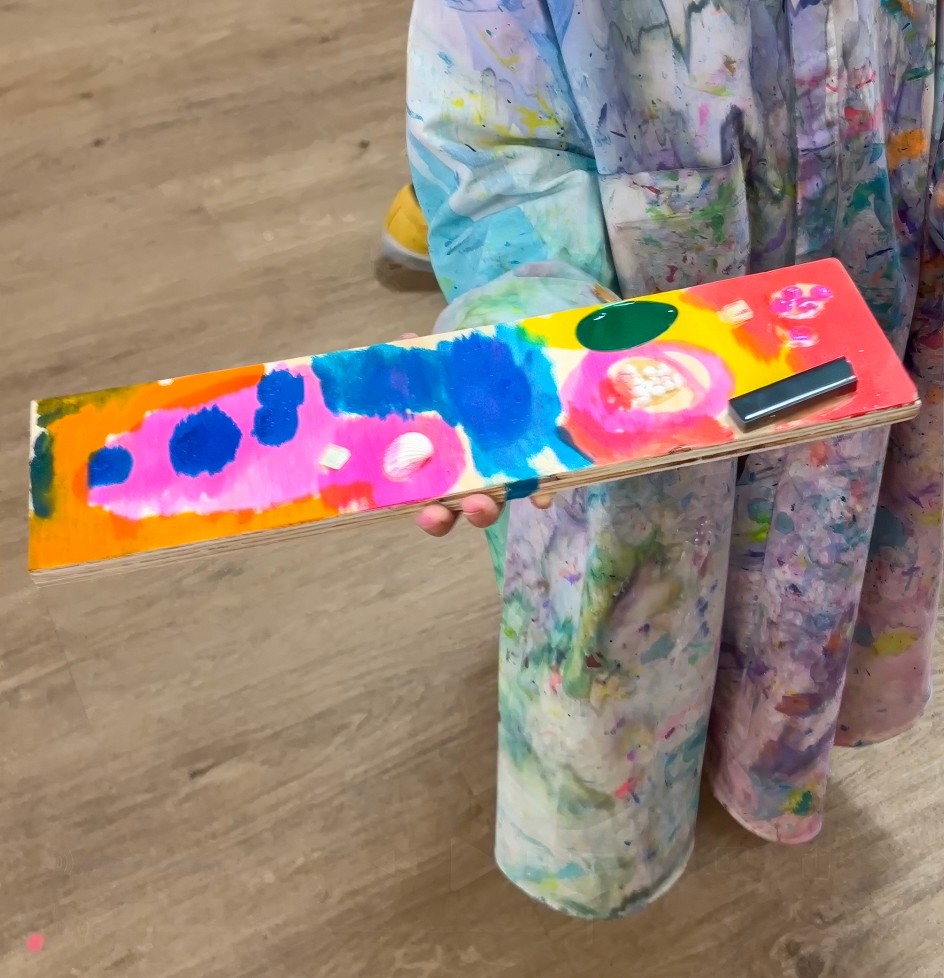
Once tiles are set, paint in between or even over the top. We love liquid watercolours because the colour sinks into raw wood beautifully while still letting the grain show through.
Variations
Offer grout for an older group so they can experience the full mosaic finish.
Try a black painted wood base so colour pops.
Add a tiny “treasure tile” rule, each artist picks one special piece and decides where it goes.
Materials
• Wooden base boards
• Tiles (varied colours and sizes)
• Optional extras: glass stones, beads, shells
• Mosaic glue (or strong PVA depending on tile weight)
• Liquid watercolours or watercolour palettes
• Brushes and water jars
Back to Top
Tile Stories
Layering colour, texture and instinct onto wood.
Bookmark
Collage
The Set Up
I adore this experience for how open it is. It’s one of those setups where every artist can make something completely different from the exact same materials.
Start with a plain piece of wood. I recommend not making it too big for individual work, purely because large empty surfaces can feel daunting for younger kids, and you will need a lot of tiles. That said, this works beautifully as a shared collaborative piece if you want to go bigger and have everyone contribute.
Curate your tiles. Recycled places and marketplace finds are gold. Hardware stores also sell inexpensive tile sheets and you can pull the tiles off the mesh backing easily. We have also made a call out to Smudge families for leftover renovation tiles, and people are often delighted to pass them on.
Add in little glass river stones, beads, and other treasures if you want more texture.
The Making
Invite kids to place and balance first. This part is so, so good. It’s engineering, composition, and decision making all at once! Then glue. Mosaic glue is ideal if you are using heavier tiles.
Once tiles are set, paint in between or even over the top. We love liquid watercolours because the colour sinks into raw wood beautifully while still letting the grain show through.
Variations
Offer grout for an older group so they can experience the full mosaic finish.
Try a black painted wood base so colour pops.
Add a tiny “treasure tile” rule, each artist picks one special piece and decides where it goes.
Materials
• Wooden base boards
• Tiles (varied colours and sizes)
• Optional extras: glass stones, beads, shells
• Mosaic glue (or strong PVA depending on tile weight)
• Liquid watercolours or watercolour palettes
• Brushes and water jars
Back to Top
Add this to your favourites
Add this to your favourites
Thoughts?
Would love to hear if youv'e tried this or have any ideas on how to make it even better!