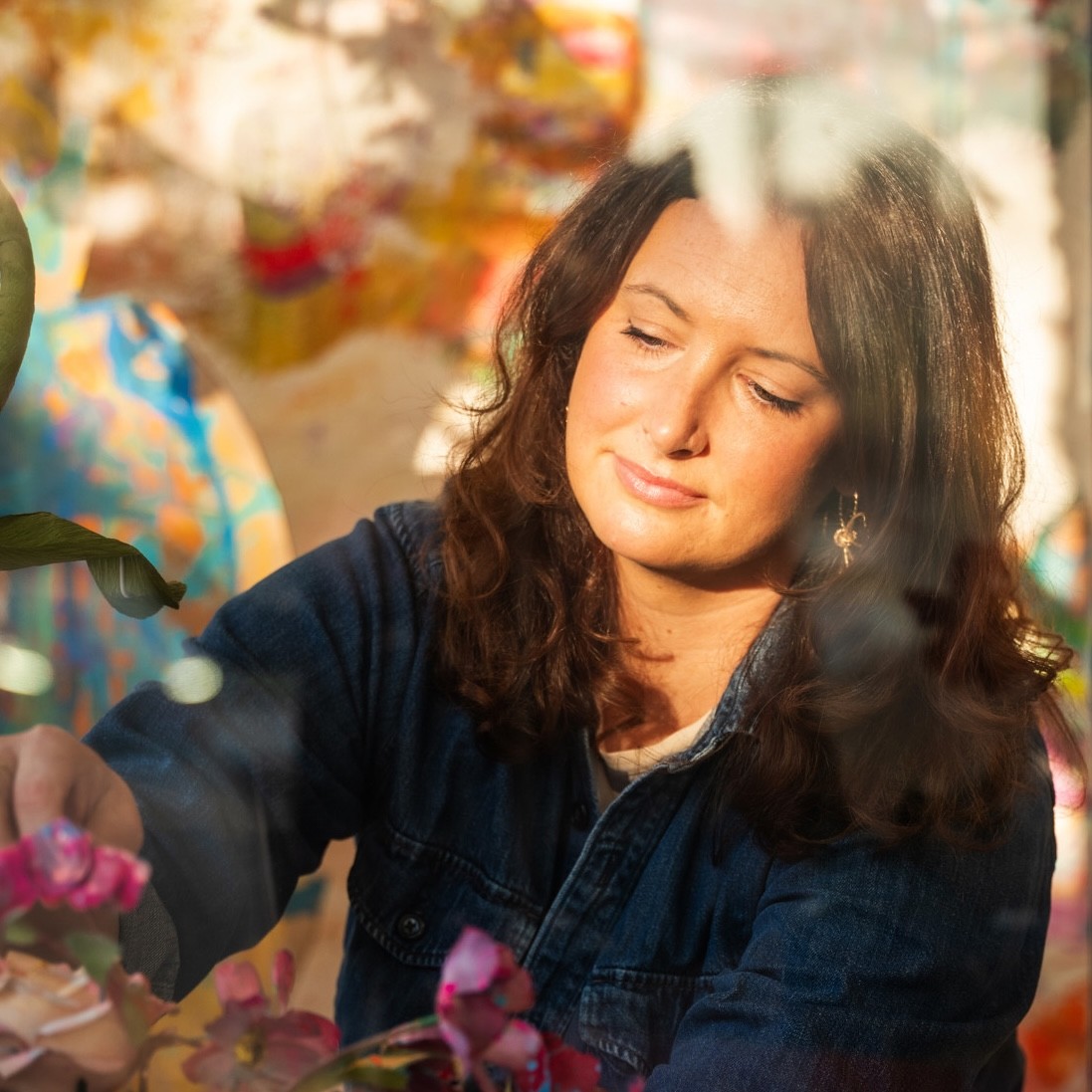
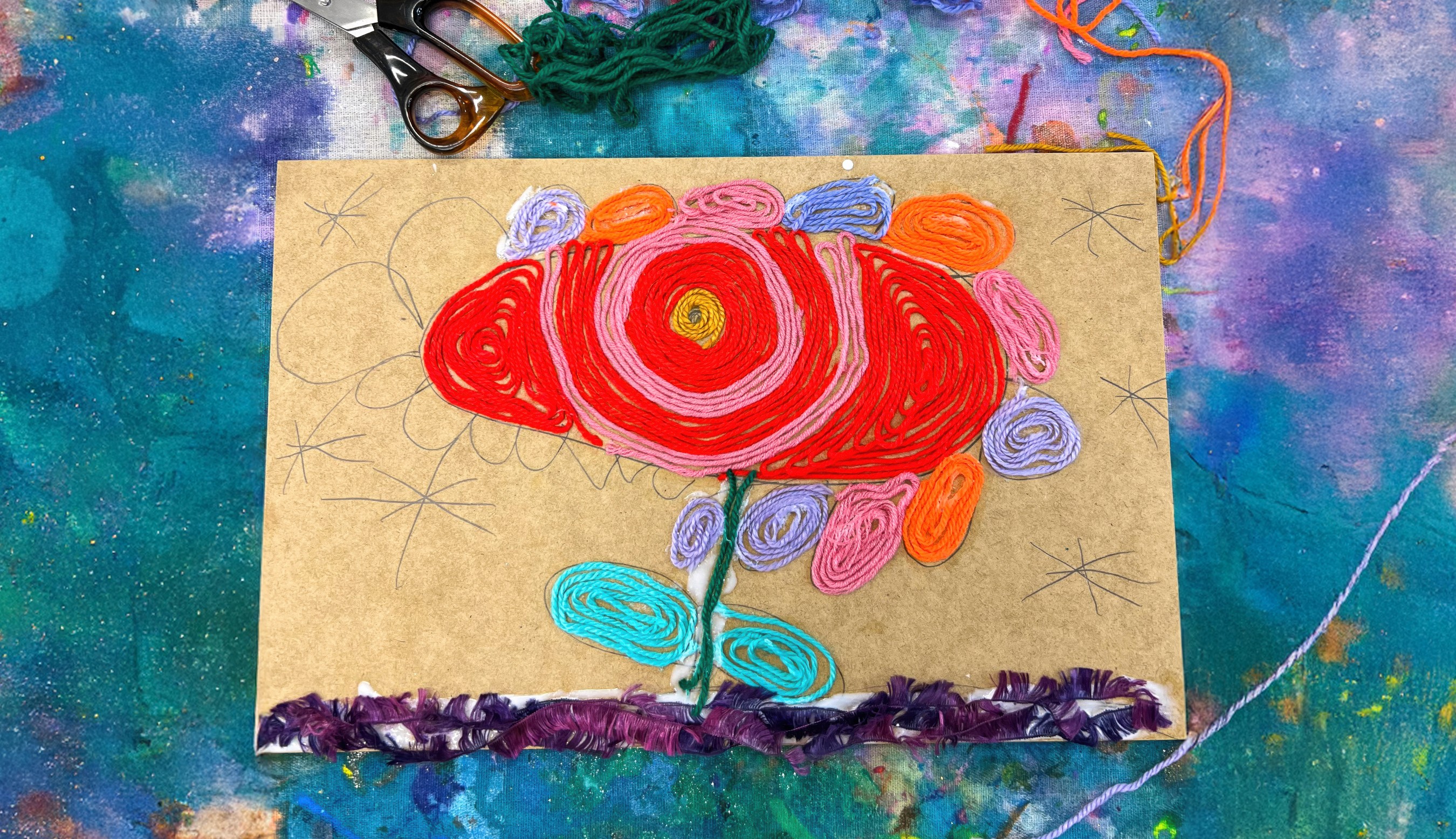
One of the things people often say when they walk into Smudge for the first time is that it feels calm. Open and light and uncomplicated. Like everything has just landed where it’s meant to be! I absolutely love that people experience it that way. But it’s also always slightly funny to me, because what they’re seeing is the surface of something that has been thought about, adjusted, questioned, rebuilt, and refined over many years.
Smudge was never designed to be the easiest version of a creative studio to run. From the beginning, I chose not to build it around templates, pre-set outcomes, or “everyone makes the same thing” activities. I wasn’t interested in designing sessions where I could hold up an example at the start and say, “We’re all aiming for this.” That choice shapes almost everything that happens here (in the very best way).
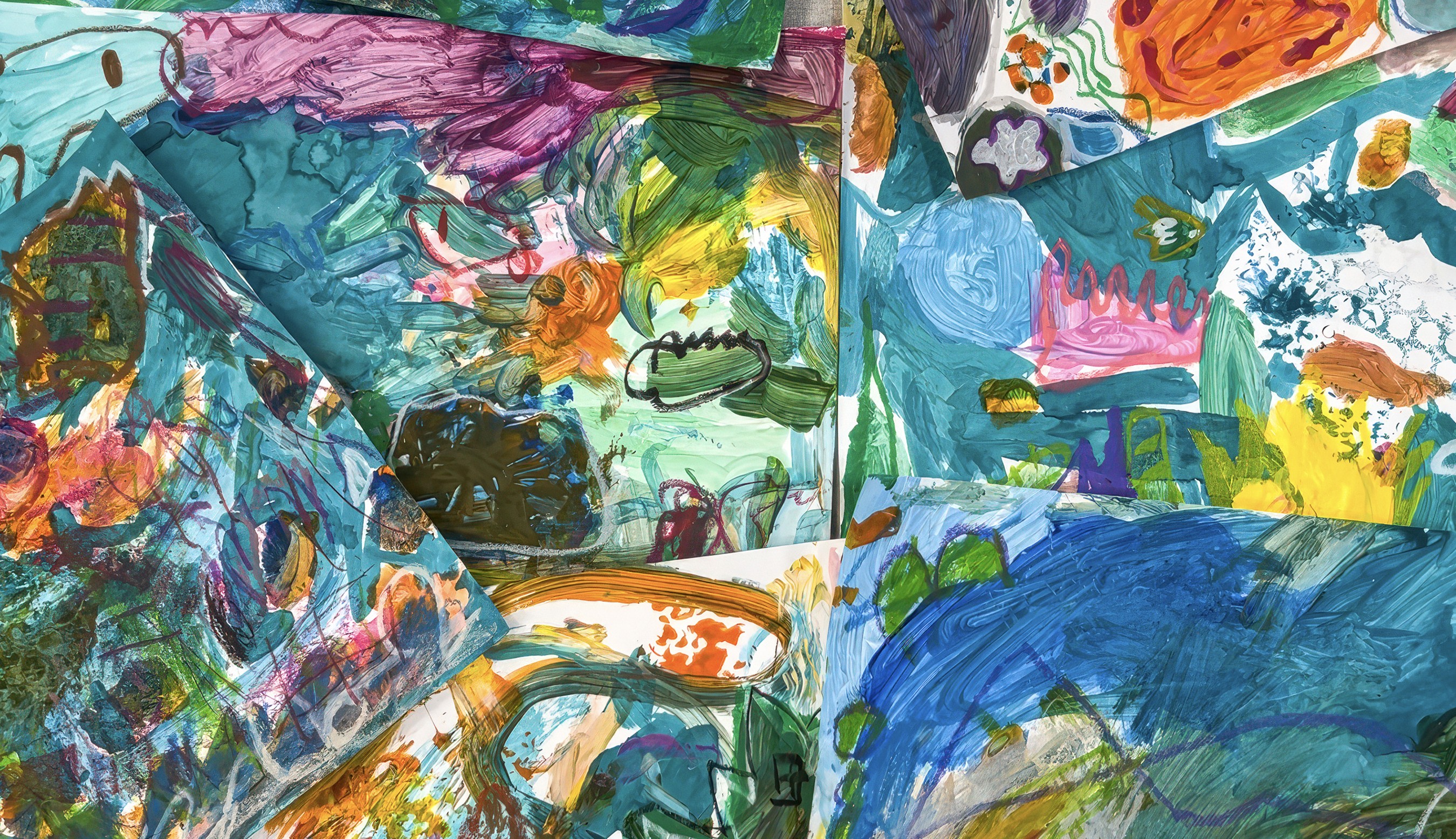
What templates offer (and why people use them)
I completely understand why template-based activities are popular.
They offer predictability and make planning faster.
They simplify staff training and make sessions easier to replicate and scale.
They reassure adults.
If you are running a busy program, or working in a setting with lots of constraints, templates can be incredibly practical and efficient. And for many spaces, they make sense.
This has never been about judging that model. It’s about recognising that it doesn’t align at all with what I wanted children and families to experience when they walk into Smudge. Or how I feel about creativity in general.
Why I chose a different path
Very early on, I noticed something about template-style activities…
Kids spend a surprising amount of time checking.
Checking what theirs “should” look like.
Checking what their neighbour is doing.
Checking whether they’re “doing it right”.
The focus shifts away from exploration and toward comparison.
I didn’t want that to be the emotional landscape of our studio. I wanted children to arrive, look at the materials, and think, “What could I do with this?” rather than, “What am I supposed to make?”
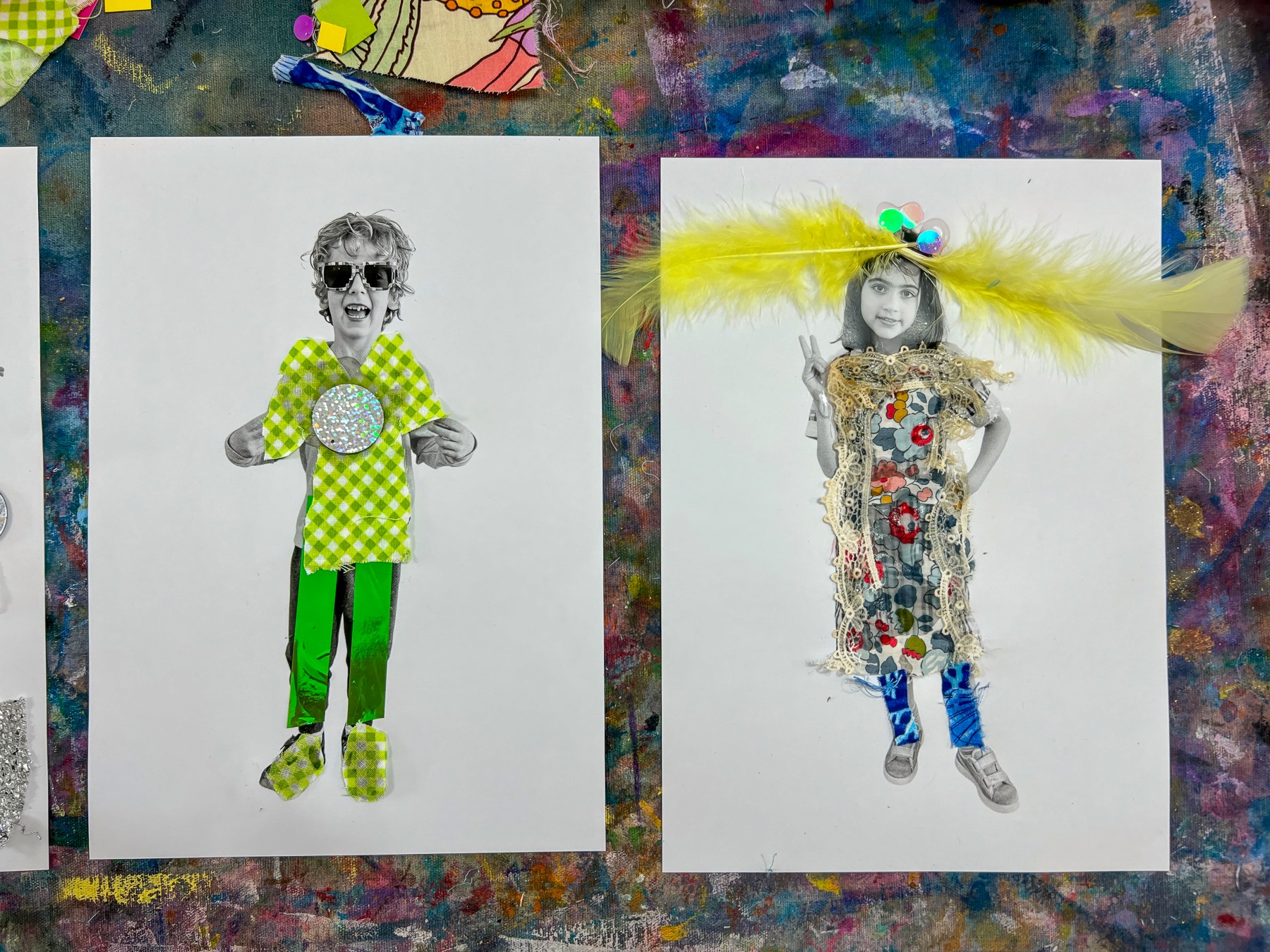
That meant designing sessions where there isn’t a correct version, or where variation isn’t an added bonus… it’s actually the whole point! Where a half-finished experiment is just as valid (and valued) as something that looks complete.
This is the philosophy that Smudge is built on.
The practical cost of that choice
Choosing open-ended work sounds lovely in theory, but in practice, it comes with consequences.
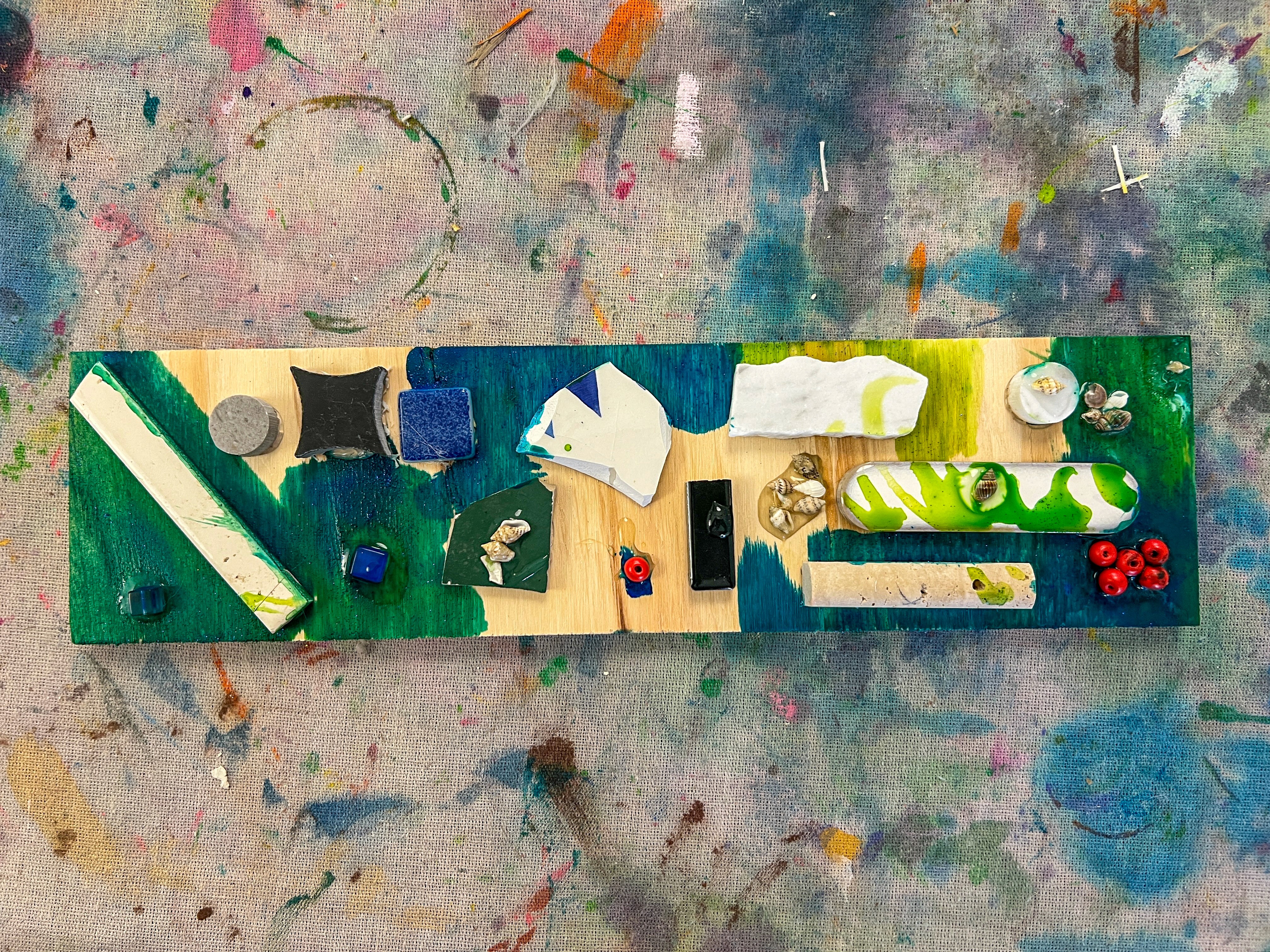
It means more materials to source and manage. More time preparing and resetting spaces. More flexibility built into every plan.
It means embracing that sessions won’t look uniform. And designing systems that can support variation, rather than suppress it.
None of this is accidental. And I can’t pretend it isn't a trade-off.
The invisible infrastructure
There’s a common idea that open-ended creativity is “free” and “loose” and “unstructured”.
In reality, it only works well when it’s carefully supported. Behind each art experience is a lot of deep thinking and experience. Checking materials. Testing ideas. Adjusting things as we go.
Freedom requires structure! It just looks different to the outside. This is actually a big part of what we share inside The Smudge Hub, not templates, but the thinking, planning, and material choices behind how we design for open-ended creativity.
Seeing it reflected back
Recently The Mini Style Post reached out to feature Smudge on their site, but they obviously couldn't visit the studio. They sent thoughtful questions, and I shared images, context, and the thinking behind what we do.
When the piece was published, I was thrilled with how clearly they understood the intent behind the work (not just what Smudge looks like).
It reminded me that when your philosophy is consistent, it shows up in the details, even at a distance.
(You can read their piece here if you’re curious.)
Why we keep choosing this way
There are definitely moments when the easier version sounds tempting.
Fewer materials and clearer formulas and more predictability. But every time I imagine that version of Smudge, something essential disappears.
I am so passionate about protecting children’s confidence in their own ideas.
Their willingness to try something without knowing how it will turn out. Their comfort with uncertainty. And most importantly, their sense that creativity belongs to them, not to an adult-approved outcome.
That is absolutely worth protecting! Even when it takes more time and costs more energy. Even when it would be simpler to do it another way.
For parents and educators reading this
You don’t need a studio to refuse templates!
You can do it at any table (or floor, or anywhere). It's a quiet rebellion in the way you lay out materials and resist “fixing” things. In the questions you ask and in the outcomes you don’t insist on.
Small choices, repeated often, shape how our kids see themselves as makers.
The long view
Templates are efficient and produce fast results and scale easily.
But they rarely change how children relate to their own thinking. Or encourage self-expression and creativity.
Refusing them is a slower path. It’s definitely more complex and requires care and consistency.
It’s the path we chose when Smudge began, and it’s the one we continue to walk / skip / run and play on, and it’s the one I feel deeply committed to sharing with others.